
The demand for clean-label and health-forward food and beverages has reached a tipping point.
What do we mean by this?
Let’s take a look at some of the numbers.
Globally, 58% of consumers value honesty and transparency in their products.
These evolving consumer attitudes, coupled with waves of regulatory changes and policy shifts, not only in the US but worldwide, are adding further urgency and momentum to this trend.
With demand signals only growing stronger, the market is responding.
As of 2025, 30% of all global food and beverage launches featured a “clean-label” claim, while in Australia/Asia, the figure climbed to an even more staggering 49%. From additive and preservative-free to organic and non-GMO, the appeal of “cleaner” products continues to spread.
More surprising might be that even a half-decade of global economic uncertainty, tighter household budgets, and frustration with shrinkflation on shelves won’t deter people from the often higher price tags associated with clean labels and the broadening category of better-for-you products.

In fact, shoppers, particularly Gen Z and Millennials, say they are willing to pay 20–30% more for products with organic, natural, no-artificial-ingredients, and other related claims.
Furthermore, 45% of consumers globally place nutrition and wellness over price when purchasing food and beverages.
“Many consumers are becoming more educated about what’s in their food and beverage products,” explains Dr. Lourdes Mato, Principal Scientist-Applied Research at Edlong. “They are looking at labels, more critically in terms of personal nutrition, but they also want to understand what’s on the label.”
Most importantly for developers, stresses Dr. Mato, is that cleaner labels are now a baseline expectation, not a premium claim.
Before, clean label was seen as a differentiator, but now it is the price of entry.
This is the tipping point.
But what exactly makes a label “clean”? It depends on who you ask.
Defining Clean Label
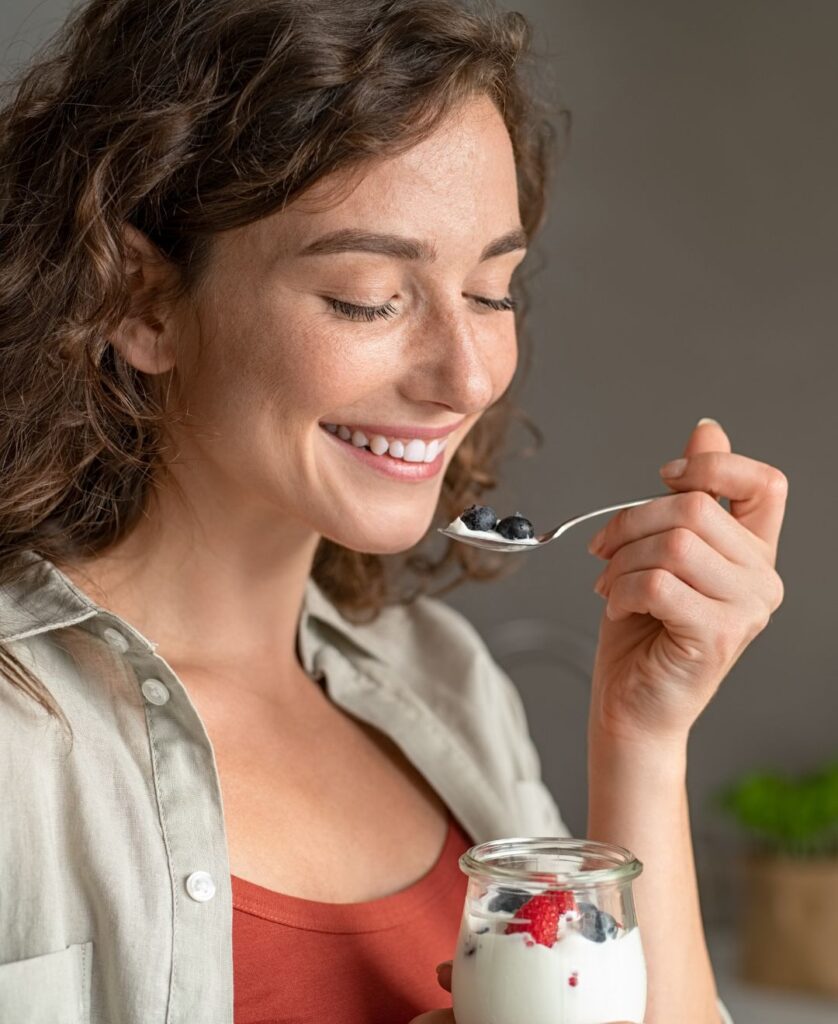
A major issue with the term “clean label” is that there is no singular, one-size-fits-all definition.
“There is still no formal legal definition, meaning the claim itself is unregulated and highly subjective,” says Dr. Mato.
That said, she emphasizes that there is increasing consistency in what consumers expect from clean-label claims, such as:
Simple, recognizable ingredients – Short ingredients list reflecting things you use at home, in our kitchen, meaning familiar components.
No artificial or synthetic additives – Avoiding synthetic colors, artificial flavors, chemical preservatives, and hard-to-pronounce additives align with the growing global preference for natural ingredients.
Transparent and honest labeling – Clear explanations of unfamiliar components, truthful claims (avoiding false claims or omitting an ingredient because of negative perception), and compliance with existing food information regulations, especially in markets like the EU.
Minimal processing – Favoring products that maintain a more natural structure with less industrial processing, such as heavy refining, extrusion, or restructuring.
Sustainability, ethics, and traceability – Responsible sourcing, environmental impact, packaging considerations, and supply chain transparency telling the full story behind a product, not just its ingredients list.
Building on these expectations, there is also the underlying health and wellness aspect of the clean-label movement.
Clean Labels & Better-for-You
Much like “clean label”, “better-for-you” is a descriptor without a concrete definition. However, the overlap between the two is why you can’t discuss one without the other.
After all, much of the energy behind the push for natural ingredients stems from a desire for healthier products.
Still, what this means depends on your consumer and their specific needs, goals, and desires from said products.
“When we talk about clean label, the major challenge for developers is really pinning down their target consumer’s product goals says Julie Drainville, Edlong’s Director of Global Sensory & Innovation.

“All of this is very much connected to personalized nutrition and expectations. One person’s definition or tolerance for what is ‘clean’ or ‘healthy’ could be very different from someone else’s. So when formulating products around these trends its important to put products out there that meet the needs of the target consumers.”
Part of understanding your consumer is understanding your formulation. It’s acknowledging that, whether it’s artificial or highly processed ingredients, added sodium and sugar, or any number of other components, they were originally included for a reason.
Drainville notes that sometimes simple changes or 1:1 swaps are all that’s needed to make a difference without sacrificing indulgence.
“There are a lot of products out there starting to incorporate healthier fats. For example, a manufacturer might start using avocado oil for their chips. As long as taste isn’t negatively impacted, you’re able to easily provide a ‘healthier/cleaner’ version for your consumers. But, also, people that might not have purchased chips before, may now feel like that’s something that they can have as an indulgent snack, because it’s meeting their criteria for a cleaner, healthier food.”
However, making cleaner products isn’t always as easy as simply swapping or reducing unwanted ingredients.
Which raises the question, how can developers create cleaner products without compromising taste and indulgence?
Developing Clean Label Without the Compromise
The numbers make it abundantly clear that the movement towards cleaner ingredients isn’t slowing down. Yet, they also tell another, equally important story.
When deciding what to eat, 83% of Americans rank taste as a high priority, compared to about half who said the same about healthiness. A separate survey of 24,000 consumers worldwide found that 68% prioritize taste over price.
The numbers are shocking, but the main takeaway isn’t.
Taste was and always will be king.
Cleaner, healthier products are both the present and the future, but only if they deliver delicious, indulgent, and satisfying sensory experiences.

The good news?
Between exciting flavor trends and innovative taste technologies, there’s never been a better time for clean label developments and renovations.
Making Trends Work for You
In our recent article NEXTalgia in Action: When Comfort Meets Global Taste and Flavor Discovery we explored the power of bold and exciting international flavors for product innovation.
When it comes to clean labels, Drainville and Dr. Mato agree that these can become a developer’s best friend.
“Today’s consumers, especially young people, are really far more open to new taste experiences,” says Dr. Mato. “There is a mentality where they are willing to try and mix new things and explore new tastes with a sense of curiosity. This gives companies a lot more options to work with and creativity than they had in the past, even ten to fifteen years ago.”
Drainville adds, “Cleaner labels and healthier products can present a lot of taste challenges, but when consumers are also interested in unique flavors it’s really exciting because, I think it expands what we can do.”
From spice blends to umami bombs, sweet heat, and indulgent sweet treats, the opportunities for innovation are nearly endless. This ongoing flavor exploration, paired with maximalist sensory experiences and nostalgic comfort, makes today’s trends a golden opportunity for clean-label, healthier formulations.
Still, this isn’t saying they’re magic bullets that will overcome inherent taste and texture challenges on their own.
It does, however, mean that when paired with innovative taste technologies and sensory expertise, developers can turn taste into their differentiator.

Formulating for Clean Labels
No matter your approach, overcoming the taste challenges associated with healthier, cleaner labels starts with understanding your ingredients.
This means knowing how they function and taste compared to the original or the target their taste and texture attributes, and consumer expectations.
“A sensory attribute can’t be categorized as positive or negative, it must be considered within the context of the product. For example, sourness in milk makes it spoiled but sourness in yogurt is an expectation. Similarly, bitterness and astringency are often seen as negatives but in coffee they can be desired. Cultural backgrounds also need to be taken into consideration, communities in which tea is an everyday drink may be more accepting of bitter and astringent notes and a beverage with those attributes might even be preferred.”
Drainville and Dr. Mato agree that when attributes are considered negative, this is where clean label, and especially healthier products, tend to struggle.
“With clean-label and better-for-you ingredients, you can often get issues like bitterness, astringency, and chalkiness. You’re seeing this more and more with the move towards high protein, which tends to be bring that astringency and have a mouth-drying effect,” says Drainville.
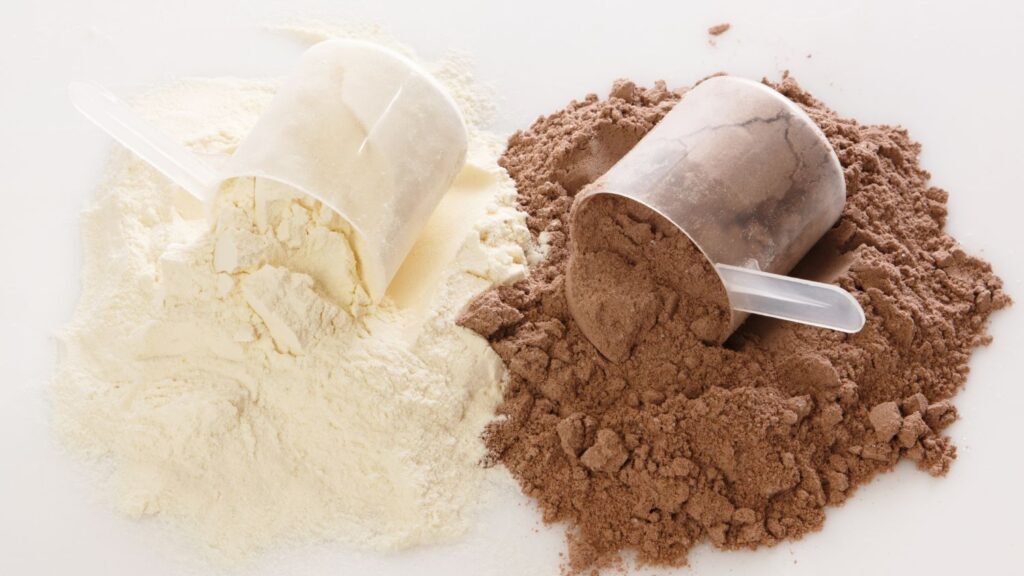
Dr. Mato adds, “High fiber ingredients can also confer negative sensory attributes ranging from cereal, grainy, or bran-like off notes, usually derived from the presence of phenolic compounds. Maillard reaction products and native grain volatiles can create a dry, powdery mouthfeel and bitter cereal character. If fibers are legume-based or of some oat or barley origin, they may confer green, vegetal, beany notes generated from volatile aldehydes such as hexanal and nonanal.”
These attributes may not be inherently negative, but that doesn’t matter if they don’t align with the product’s expectations.
Dr. Mato believes that what one considers a negative or positive attribute is not only food-dependent, but also market-dependent.
“Take stevia, for example,” says Dr. Mato, “Since it’s naturally derived, it makes a great ‘clean’ option for developers looking to reduce sugar or replace artificial sweeteners. However, this and monk fruit as well, can have lingering sweetness or metallic off notes that may turn some consumers off.”
She continues, “Yet in certain Latin countries, especially Mexico, they are much more tolerant of Stevia. This is because in an effort to decrease added sugar, companies in that market have been replacing sugar or combining it with sugar for years now. So, the palates of those local consumers have already adapted to the attributes of stevia.”
Having this knowledge about your ingredients and how they function in a formulation system is key. It allows developers to leverage trending flavors and innovative taste technologies.
A Sensory Edge in Formulation
“It’s about playing with the senses,” states Dr. Mato.
“This is why bold international flavors work so well. The same goes for distinct characterizing profiles. Their complexity allows you to pair and work with off notes, diminishing their impact, pulling the profile in a different direction.”
According to Dr. Mato, taking this knowledge down to the chemical level of ingredients helps fuel Edlong’s innovative taste technologies.
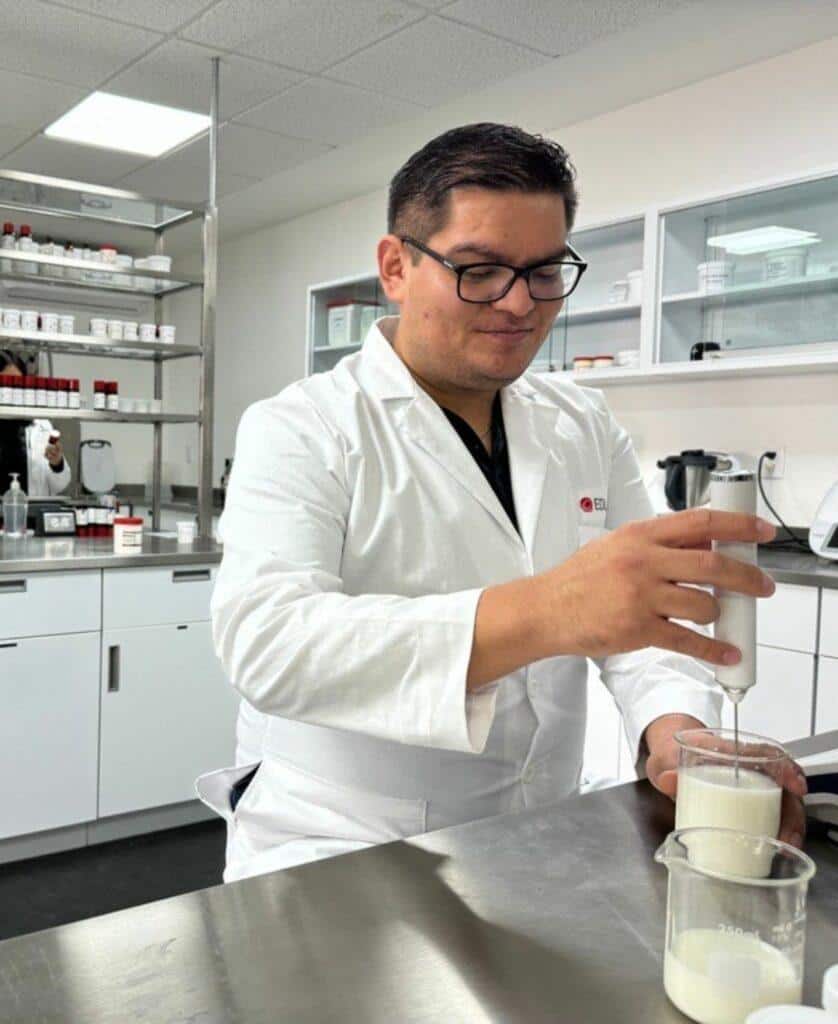
“Beyond the overall characterizing flavor, we’re able to isolate the naturally occurring chemical components responsible for these different attributes. Certain components can then be utilized bellow their threshold [the level at which they become identifiable for a specific characterizing attribute of a flavor], for a wide range of taste, texture, and other sensory perception purposes.”
In addition to masking and flavor perception, Edlong’s suite of taste technologies can build back another aspect that many clean-label and better-for-you products lose out on.
Indulgence.
Indulgence Enhancement
Traditionally, terms like indulgent, decadent, and rich haven’t been used to describe clean-label products.
Quite the opposite.
“There’s a reason why people love HFSS [High Fat, Sugar, Salt] foods, they’re indulgent and universally enjoyable. When trying to reduce or replace salt, sugar, fat, that indulgence can be greatly diminished or lost completely. The same goes for products looking to move towards cleaner and healthier labels. Maintaining indulgent sensory perception is one of the biggest roadblocks for these formulations.”
She explains that, in addition to taste and flavor, this can also affect mouthfeel, texture, and mouthwatering.
For example, Dr. Mato illustrates, “When you’re trying to shift towards cleaner ingredients, you may be looking to remove certain gels, stabilizers, etc. Well, now your viscosity has been reduced, and it’s too watery. Not to mention, astringency has increased. Perhaps you’re reducing salt, and in addition to the saltiness perception, it may impact savoriness perception, so you’ve lost the mouth-watering sensation, which may impact flavor release as well and the overall tasting experience.”
Edlong’s solutions change that perception.
From natural mouthfeel, sweetness, and saltiness enhancement to authentic flavor profiles and innovative masking solutions, Edlong’s cutting-edge taste technologies help you create clean labels without compromise.