
Key Takeaways
- Umami is the fifth basic taste, crucial for signaling protein intake and commonly found in meats, cheeses, and fermented soy products.
- The discovery of umami by Professor Kikunae Ikeda in 1908 highlighted its unique presence in foods like dashi, a staple in Japanese cuisine.
- Fermentation plays a key role in enhancing umami flavors in ingredients like miso and doenjang, rich in glutamic acid.
- Kokumi, while not a taste itself, complements umami by enhancing mouthfeel and flavor continuity, improving overall taste perception.
- Umami-rich foods undergo slow cooking and aging to release glutamic acids, creating their savory taste.
What Is Umami and Why It Matters
Savory, brothy, meaty. These are all flavors that people often describe with the word umami. Umami fermentation is one of the key processes that creates these deep, complex flavors in foods. It might be hard to describe the umami taste sensation with precise language.
After all, umami is the most recently discovered of the basic tastes. However, words don’t matter that much once your mouth starts watering.
Another way to understand exactly what “umami is” is to know why our taste buds make a distinction in the first place.
Other than adding enjoyment and complexity to the foods we eat, the five basic tastes are believed to serve as biological notifications to the body about what it’s about to ingest.
Five Basic Tastes and Umami
Sweet signals a quick energy source and sufficient carbohydrates.
Sour helps us detect ripeness and possible spoiled or toxic foods.
Salty helps regulate sodium intake and fluid balance in the body.
Bitter often warns us about potential poisons.
Umami indicates protein intake and helps ensure we consume enough for growth and maintenance.
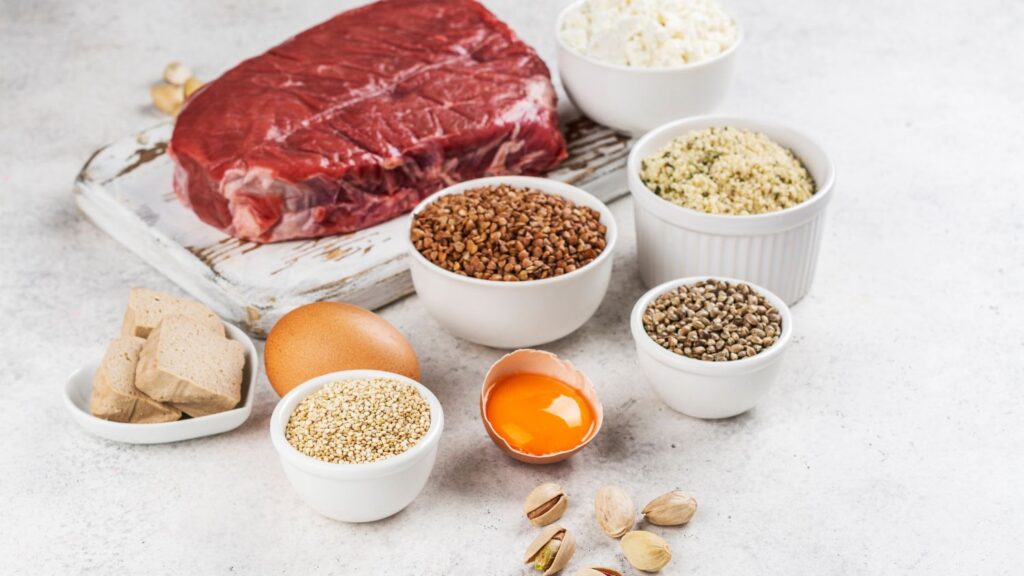
This is why umami is often associated with meats, cheeses, and protein-rich plants like soy. However, it can also be found in mushrooms, yeast, culinary vegetables like tomatoes and asparagus, and even in green tea. The link between protein, umami, and umami fermentation helps explain why slow-cooked and fermented foods taste so deeply savory.
What Is Umami Taste?
While the taste we now call umami is nothing new, its recognition as a basic taste is relatively recent.
It was not until 1908 that Professor Kikunae Ikeda, a chemist at Tokyo Imperial University, first identified umami as a distinct taste.
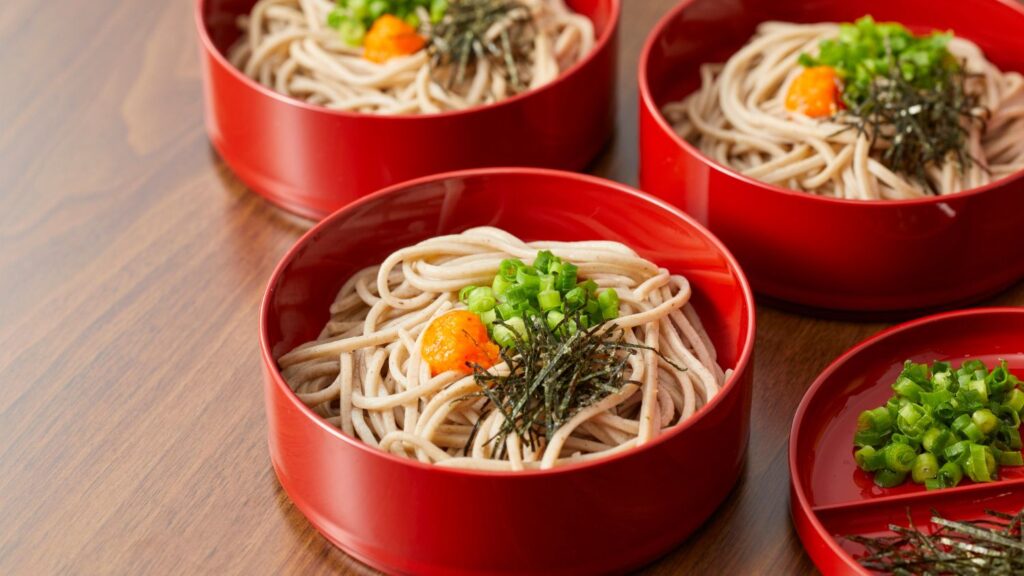
He noticed this taste in many foods. However, he found it to be most pronounced in dashi, a broth made from kombu and katsuobushi that is a backbone of Japanese cuisine.
Ikeda discovered that the compound glutamic acid, or glutamate, a nonessential amino acid, was primarily responsible for this umami sensation. The best-known example of this is monosodium glutamate, or MSG.
Certain nucleotides, such as inosine monophosphate and guanosine monophosphate, can also enhance the perception of umami.
Our tongues have specific receptors for glutamates and these nucleotides, allowing us to identify umami’s mouthwatering, meaty savoriness.
Many foods, however, are not especially rich in umami in their raw form.
Slow cooking, aging, and umami fermentation release more glutamic acid and nucleotides. As a result, this creates the deep savory flavor we associate with umami.
Umami Fermentation: How Fermentation Creates Umami
For many people, fermentation first brings to mind sour flavors.
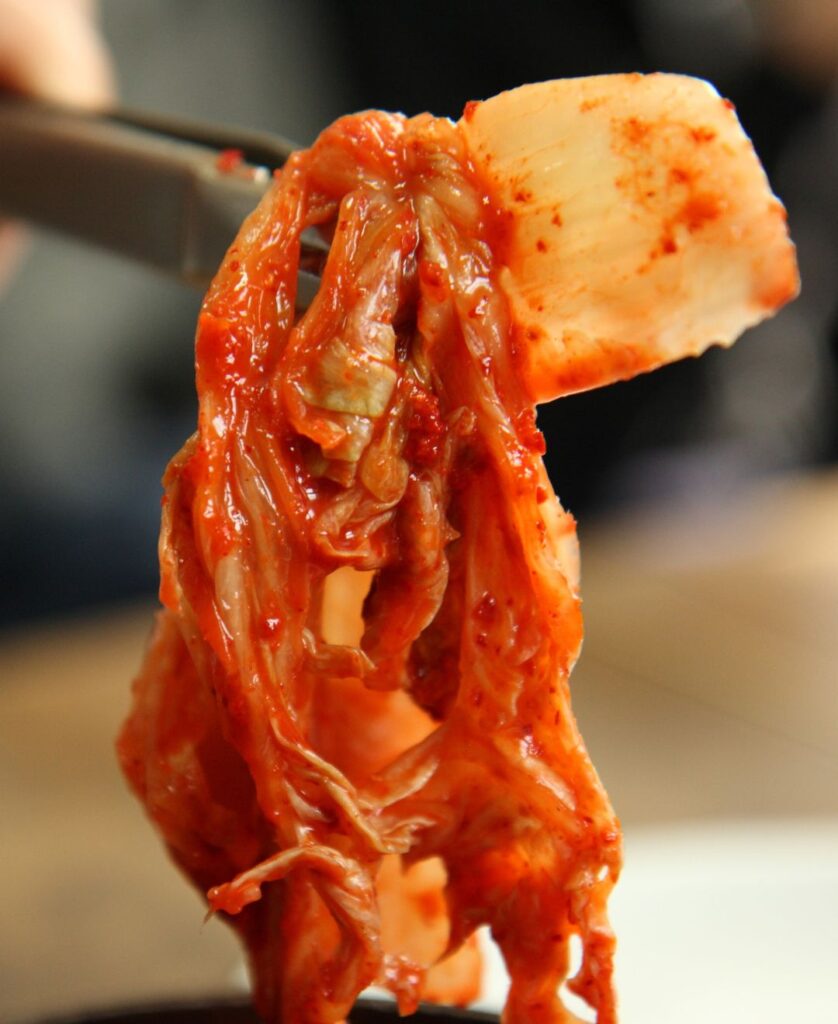
We think about the lactic tang of kimchi, sauerkraut, and pickles or the cultured notes of yogurt, buttermilk, and kefir.
Yet umami fermentation is just as important. It is key to creating some of the world’s most umami-rich ingredients.
In Asian cuisines, umami fermentation gives us miso, doenjang, soy sauce, fish sauce, oyster sauce, natto, and many other staples. Surprisingly, many of these ingredients do not derive their rich, brothy flavor from animal proteins. Instead, their flavor comes from soy and other plant sources.
During fermentation, microbes break down proteins into amino acids such as glutamic acid. This boosts umami taste and deepens overall flavor.
At first, the connection between fermentation and umami might not be obvious.
Umami Fermentation in Soy-Based Foods
According to Dr. Lourdes Mato, Associate Principal Scientist – Applied Research at Edlong, umami-packed fermented soy ingredients have long been staples of Asian cuisines.
“Tempeh, oncom, and tauco are believed to be native fermented soybean products from Indonesia. Whereas meju, doenjang, and chungkookjang originated from South Korea. Furthermore, natto, douchi, and kinema are native fermented soy products from Japan, China, and India (also in the eastern hills of Nepal), respectively.”
She adds, “The rapid progress of urbanization played a vital role in the development of these traditional fermented soy products. Furthermore, certain fermented products, such as tempeh and natto, are already readily accessible in the global food market.”
Unlike the Lactobacillus bacteria often responsible for sour and cultured notes in fermented foods, many of these ingredients use more diverse microflora. Miso and doenjang, for example, rely on combinations of fungi and bacteria to produce their characteristic umami tastes.
Miso and Doenjang: Umami Fermentation Powerhouses
Both fermented soybean pastes, Doenjang (Korean) and particularly Miso (Japanese), have gained global popularity for their deep umami taste, complex flavor profiles, and nutritional benefits.
Though the creation and fermentation processes may differ between these two products, they share something very important in common.

Unlike many other fermented foods that rely predominately on yeast and bacteria for fermentation, miso primarily is crafted with the use of the fungus Aspergillus oryzae. While doenjang’s fermentation is caused by a wide range of spontaneously occuring bacterium (including: Bacillus, Enterococcus, Lactobacillus, Clostridium, Staphylococcus, Corynebacterium, Oceanobacillus, and Tetragenococcus), its complex microflora also includes Aspergillus oryzae. In some cases, this fungus can become predominant.
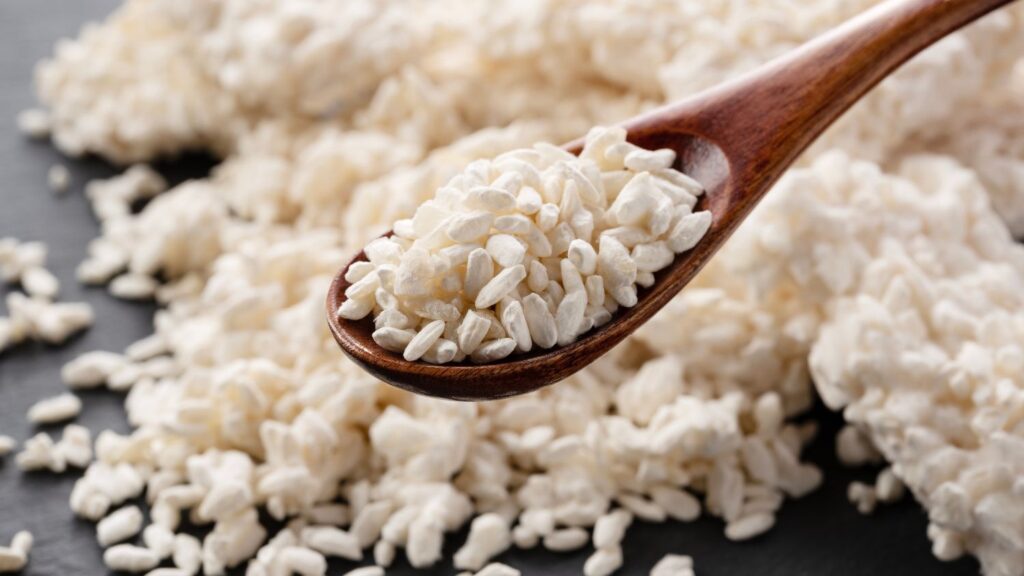
Also known in Japanese as Koji, the A. Oryzae is a mold that grows on grains like rice and barley. The enzymatic reactions between the koji and the other ingredients help to generate flavor depth and pigmentation.
Proteolysis, or the breakdown of the soybean proteins, is what releases the high concentration of glutamic acid. This creates the bold umami flavor.
Dr. Mato stresses that while many specifically desire the impact of umami, it can also work in concert with or as an enhancer for sweet and salty taste perceptions.
This is part of what makes koji so valuable and fermented soybean pastes so versatile. Proteases from the mold release amino acids. Amylase breaks down the starches into sugars to add sweetness. Also, lipase converts fats into fatty acids, adding richness.
It’s no wonder that so many in the culinary and product development landscape are looking for new and innovative ways to pair ingredients like miso with sweet flavors and in dishes like desserts.
However, umami isn’t the only thing that works to help enhance and tie tastes and flavors together.
Kokumi vs Umami: How They Work Together
After umami waited nearly eighty years to gain official acknowledgment as the fifth basic taste, another taste sensation, Kokumi, has some wondering if this is the next one to be added.
The short answer is no, but like umami, it can help to enhance the perception of other tastes.
“Kokumi is a term derived from Japanese sensory science, and though not it’s own taste it describes the perception of attributes such as taste mouthfullness, richness, and flavor continuity,” explains Dr. Mato.
“Studies identified specific compounds such as glutathione and γ-glutamyl peptides as responsible for kokumi perception by modulating and enhancing existing tastes. Because it targets calcium receptors in our tongue, it’s able to enhance the perception of savory, sweetness, and saltiness.”
Distinct from one another, Dr. Mato says studies in doenjang soup clearly illustrate that rather than contrasting, the components responsible for both kokumi and umami are highly complementary to one another. Often, they are present together.
“While umami and kokumi function through distinct sensory mechanisms, their complementary use appears to enhance the complexity and depth of perceived flavors, leading to improved consumer satisfaction. Given that nucleotide -based seasonings contribute to umami depth while MSG intensifies flavor strength, a strategic combination of these seasonings may be key to maximizing consumer acceptance. These findings support the interaction between umami and kokumi, which play a crucial role in achieving sensory balance and flavor depth in food.”