
Whether it’s the refrigerated section of your local grocery store or the menu of your favourite fancy coffee shop, the adoption of plant-based milk alternatives is nothing short of impressive.
Oat, almond, soy, cashew- the list of options continues to grow.
Dairy alternatives are nothing new.
Beverages like soy milk, horchata, and, yes, even almond milk have been around for centuries.
Still, in recent years, they have experienced a renaissance and innovation, catapulting them into the global mainstream.
As international leaders in dairy and dairy-type flavours, we take a look at where plant-based milks stand and what the future might hold across different regions.
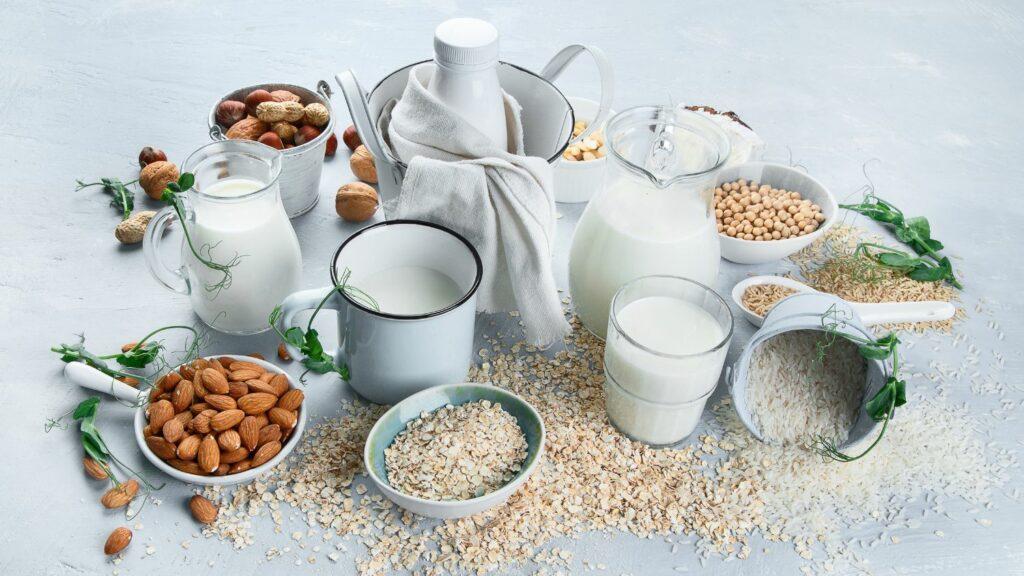
Europe
To say that plant-based milks are popular in Europe is an understatement.
Why?
According to a recent report, 54% of European consumers say that they actually prefer plant-based milk.
In the EU, Germany leads the way with an unbelievable 93% consumption rate, with Spain following in a distant second (with the UK being slightly above Spain in Europe overall).
Zooming in on Germany, plant-based milks lead all other plant-based product categories. Oat milk comes out on top, with 75% making it their go-to, while almond milk comes in second (69.4%) and soy milk in third (51%).
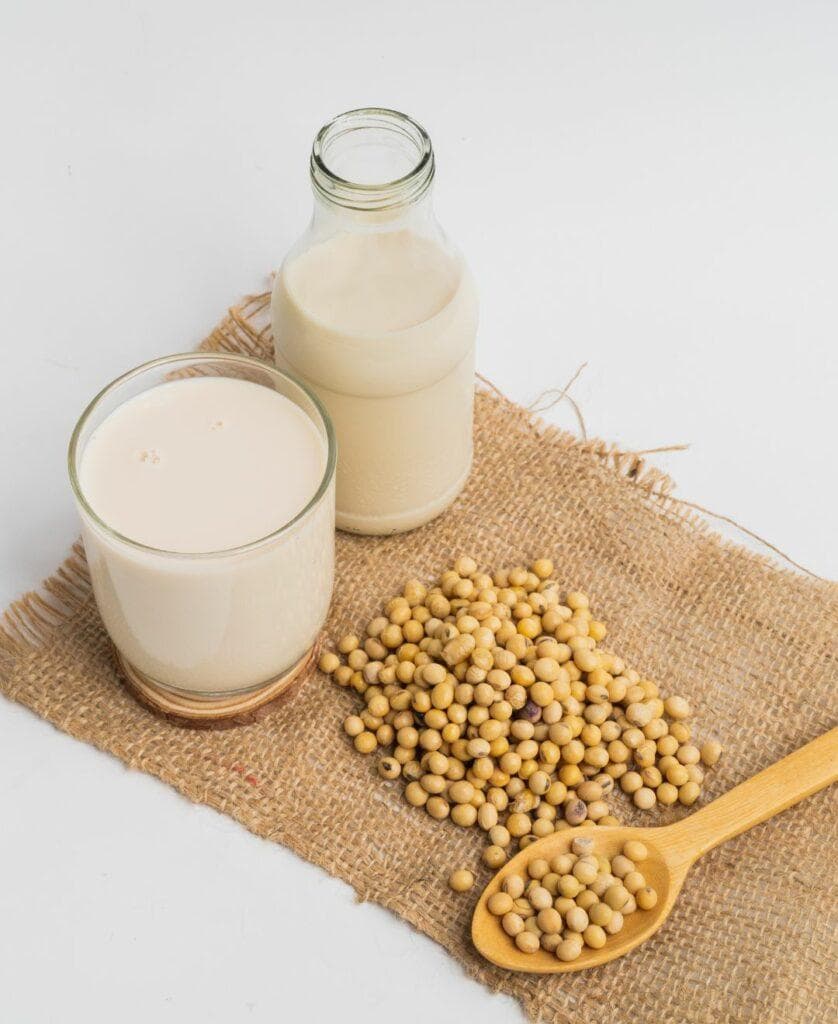
In Spain, the total market share for plant-based milk came in at around USD 706.4 million, with soy milk accounting for 31.5% of that total market share. Traditional beverages like horchata de chufa, a creamy beverage made from tiger nuts, remain popular.
These countries largely reflect the overall European market, with oat, soy, and almond milk being the current favourites.
While innovative new types of milk alternatives will continue to hit shelves, the current embrace of plant-based milk opens up a great opportunity for exciting flavour offerings.
There will always be a need for products that mimic dairy in function and flavour. However, adding sweet and indulgent dairy-adjacent profiles tailored to localities could be huge for the category.
Especially if combined with the functional and nutrition-fortifying ingredients consumers are calling for in RTD (ready-to-drink) beverages.
LATAM
“Plant-based milks are indeed growing in popularity in LATAM. Whether driven by health concerns, ethical beliefs, environmental consciousness, or personal taste, an increasing number of consumers are choosing to reduce or eliminate dairy from their diets.” says Jesus Osorio, Edlong’s Manager – LATAM Applications.
He explains how almond milk might be the most consumed in LATAM, but it might vary by country. “For example, coconut milk is extremely popular in the Caribbean, while Soy milk has been a driving force in the Argentinian market. Also, due to the major cashew industry in Brazil, cashew milk is performing quite well there.”
As expected, Brazil, the largest country in size and population, accounts for the largest market share.
Osorio adds, “Across the entire region, the move towards plant-based is laregely being led by young people. Although more of them are vegan, vegetarian, or flexitarian than older generations, this doesn’t mean people are going to stop buying dairy milk.”
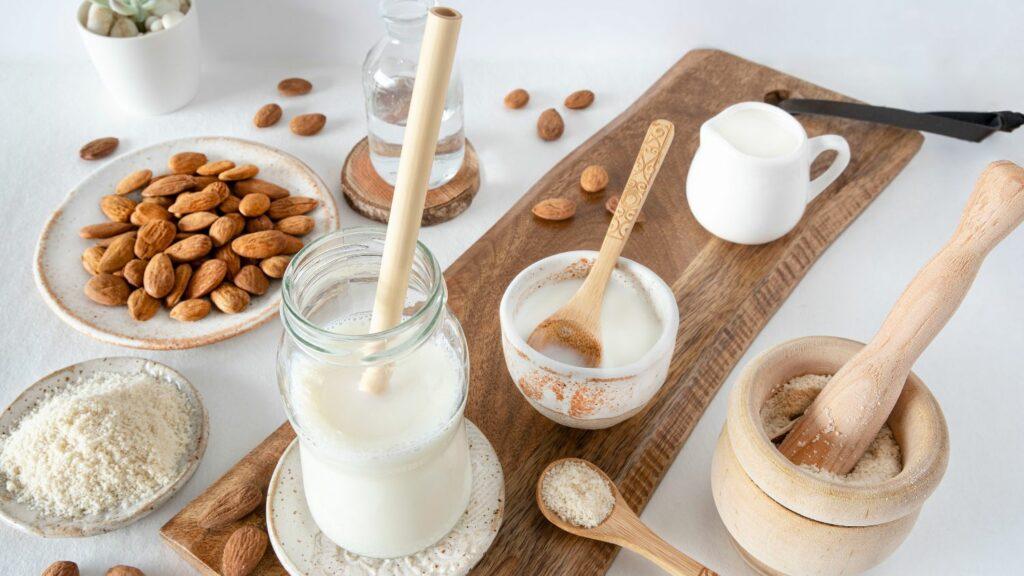
He continues, “Some analyses showed that many consumers of alternative milks prefer them for uses they weren’t previously using milk for. For example, plant-based beverages could be a delicious option instead of powdered creamers in coffee.”
However, despite an estimated growth of CAGR of 5.20 % over the next five years, these products still need some help in terms of acceptance and affordability, limited availability in certain regions, and higher costs compared to traditional dairy milk.
Additionally, according to Osorio, the need for more regulation and promotion of some plant-based milks by governments in some countries can also hinder their growth in the market.
“Overall, the plant-based milk industry in LATAM has great potential for growth but will need to address these challenges to fully capitalize on the opportunities in the region. Overcoming these challenges will require increased education and promotion efforts, as well as partnerships with retailers and food service providers to expand availability and accessibility.”
North America (US & Canada)
In 2022, the US plant-based market reached USD 8 billion, with milk alternatives accounting for the largest share (USD 2.8 billion), and it only continues to grow.
Almond milk leads the way at 35% of the market share, with oat milk slipping into the second spot back in 2020, previously held by soy milk.
That said, Angela Lantman, Manager – NA Applications, sees plant milks reaching a crossroads: “We have seen plant milks in recent years take two directions when it comes to taste development and marketing: holistic plant milks focused on promoting the source on pack and those targeted towards cow milk drinkers.”
Developers of these holistic plant-based milks look to honour the taste of the source ingredient while balancing or masking off-notes with flavour.
Milk alternatives aimed at cow milk drinkers instead aim to match the taste of dairy and its nutritional value as closely as possible.
Lantman believes that either approach could benefit from utilizing flavours, “The fun thing about dairy flavours is that you can achieve both of the above by selecting the correct flavours and usage levels!”
Like the established European market, Lantman sees an expansion of flavours and ingredients for dairy alternatives on the horizon in North America.
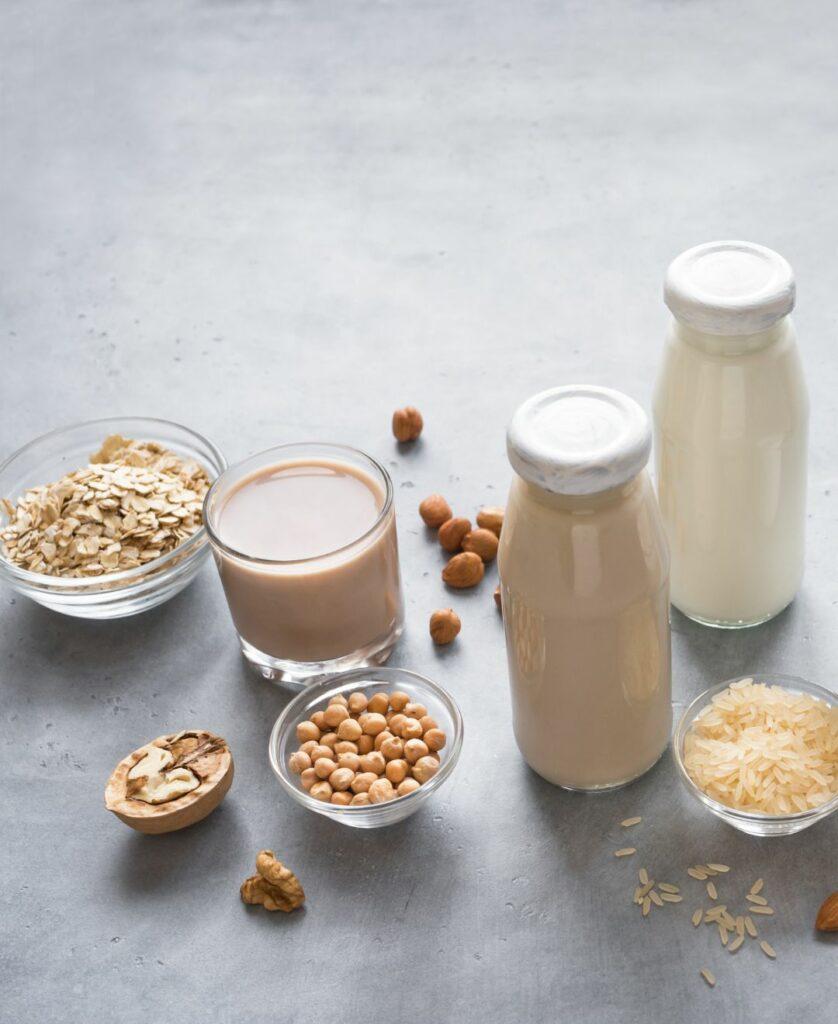
“Development in this sector is trying to keep up with the demand for diverse and unique flavours and are launching new products to cater to different demographics. A part of this is also blending traditional dairy alternatives with ingredients like hazelnut, macadamia, pecan, sunflower, and potato. A number of these naturally lend their hand to sweeter profiles down the line, maybe even dessert. Who wouldn’t love a pecan pie cold brew made with these new and emerging plant bases?”
Regardless of region or whether you want to match dairy or dive into sweet and indulgent profiles, see how Edlong’s authentic dairy type and dairy-free sweet profiles can get you there.
About the Author: Emily Sheehan, Applications Manager, EMEA

Hi! I’m Emily Sheehan. I’m the Applications Manager, EMEA at Edlong, and my job is rooted in creating exciting new possibilities for our people and processes. It’s inspiring to reflect on how much Edlong has achieved and even more amazing to be involved in such thoughtful innovation. We enjoy pushing boundaries in food and flavour, and we welcome everyone in the food industry to join us. If you’re in need of expertise or inspiration, I’d love to collaborate and help you design flavour solutions that resonate with consumers!