
Key Takeaways
- The demand for protein products is rising, with 55% of U.S. households prioritizing high protein in their shopping.
- Consumers now include busy moms and business professionals seeking protein-rich products for various reasons beyond traditional fitness.
- Different protein levels cater to diverse needs: low-protein focuses on clean labels, medium-protein offers flexibility, and high-protein targets fitness enthusiasts.
- Functionality and flavor play a crucial role in consumer choices, making appealing taste and added benefits essential for product success.
- Partnerships with flavor experts can enhance the taste of protein products, meeting the growing consumer desire for both nutrition and indulgence.
It’s common knowledge that pounding protein shakes is a great way to pump you up. Bodybuilders and even your average weekend warrior have followed this plan for decades.
Yet, why is it that according to Nielsen, 55% of households in the U.S. say that high protein is an important consideration when grocery shopping?
Not to mention that the number of consumers that purchased protein powder increased by 20% from 2022 to 2023
This means that either busy moms and business professionals are working harder on their gains than ever before or that the demographic for protein-packed products is shifting.
Hint: It’s the second one…although you can’t always rule out the first one.
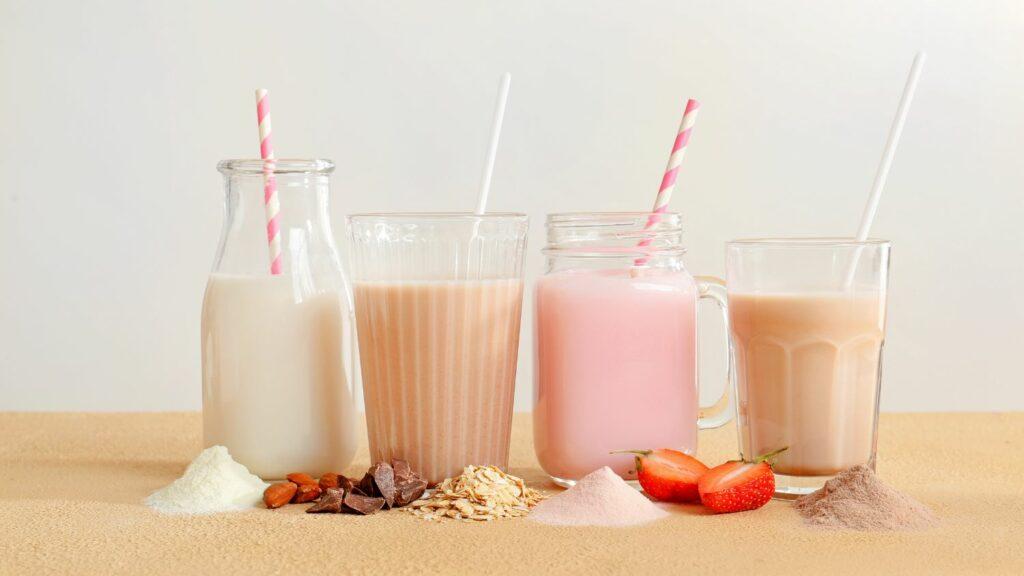
With this expansion of the sports nutrition space, it’s essential to understand who these new consumers are, what they want, and why they want it.
Body Builders, Business Professionals, & Busy Moms
First off, I want to be clear: more people looking for protein-rich products doesn’t mean the traditional athlete-focused protein powders are going anywhere.
Data from Innova Market Insights found that sports powders account for nearly two-thirds of sports nutrition launches with protein[1].
However, they also found that 90% of meal replacement beverages from April 2022 to March 2023 claimed to be a high source of protein[2].
Still, it’s important to note that 60% of consumers who purchased protein products in 2022 reported also trying to lose weight.
From providing lasting energy to keeping you satiated between meals or even replacing a meal entirely, consumers from across all demographics realise that protein has the power to check a lot of boxes.
But while these products, especially beverages, can seamlessly fit into anyone’s version of a healthier lifestyle, each person’s protein needs will differ.
As such, so will the type of products they choose.
Finding the Right Level: Low, Medium, & High-Protein Products
Low-protein (5-10gs per serving)
This might be a bit misleading because these products tend to be those that are actually naturally high in protein, primarily dairy.
Not only is dairy familiar and beloved by consumers worldwide, but it also provides a complete form of protein with high bioavailability.
As a result, low-protein beverages, such as yoghurts, kefirs, and milk, tend to lead the way in this category.
While these items may appeal to just about anyone, they are the perfect option for someone looking to be a bit healthier by upping their protein intake.
Because they are naturally high in protein, they often have fewer ingredients, making them even more appealing to consumers looking for “cleaner labels.”

Medium-protein (up to 15g per serving)
These products may fall into the Goldilocks zone for developers and consumers alike.
They can focus on providing clean labels with minimal ingredients or be fortified to provide a complete nutrition solution.
Likewise, with many of these offerings falling into the RTD (ready-to-drink) category, they’re able to provide greater flexibility for on-the-go consumers.
This flexibility also extends to developers looking to provide a variety of innovative and indulgent products for consumers. There are so many options, from yoghurt beverages to shakes and smoothies or even fortified coffee beverages, that can help them feel full and full of energy.
With the need for fortifications, medium-protein products are an opportunity to utilize alternative proteins such as any number of plant-based proteins or non-dairy animal-derived ingredients like collagen.
Having this much variety on the table for consumers means developers can also better position their products for their target market.
Is your consumer an on-the-go millennial trying to balance their busy schedule and not having time for a meal? Or is it a mom with teenagers trying to give them healthier options and look after her own health at the same time?
Both of these demographics and many more now fall into this medium-protein space.
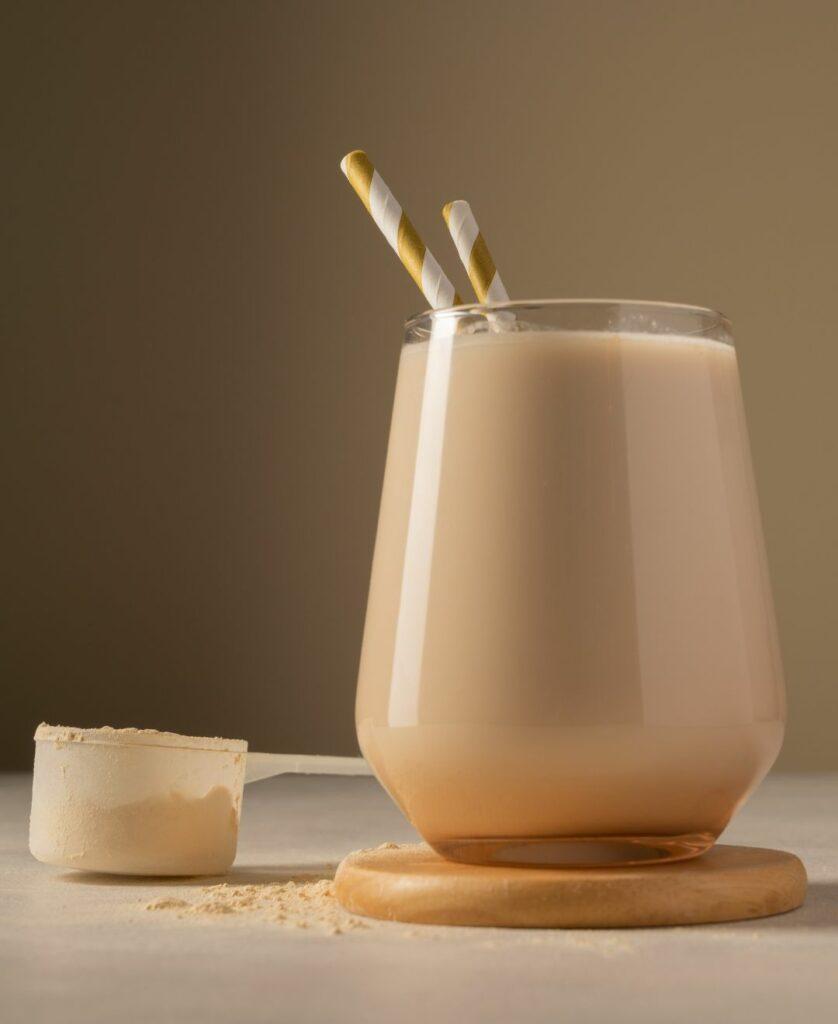
Understanding the specific needs will determine the best approach to address them.
High-protein (20g+ per serving)
Products like this are traditionally what people think of when they hear “protein” and are still targeted mainly towards fitness-focused individuals.
Purchasers of these products often aim to get as much high-quality protein as possible per serving.
Whey and casein tend to dominate this category, though the rise of the flexitarian is leading to innovation for plant-based alternatives and blends.
Though individual goals may vary, an expanded range of pre-workout and recovery supplements is starting to offer more functional ingredients and even more innovative indulgent flavour options.
Function & Flavour
The ability to address a diversity of personal nutrition needs makes protein products of any level the perfect candidate for functional ingredients like adaptogens, various botanicals, amino acids, and much more.

Having added functionality is becoming an increasingly influential purchasing factor (23%), only behind low sugar (26%) and naturally high protein (27%).
In fact, sports powders with botanical ingredients grew 9% CAGR from (2018-2022)
With these added ingredients can come taste challenges that, regardless of the who or their why for purchasing a product, could keep them from doing so again.
With dairy-derived protein dominating the category, wouldn’t it only make sense to partner with the leader in dairy flavours?
Edlong’s flavours can help you overcome these issues and leverage your dairy base to achieve indulgent and dreamy profiles anyone would love.
Whether it’s with our range of sweet dairy and dairy adjacent profiles like vanillas and caramels or working with other ingredients like spices and cinnamon for unique and exciting experiences, we’ve got you covered.
Plant-based protein? We still got you covered.
Whatever your needs, let us make your product taste incredible so your consumers can feel even better.
[1] Innova Database
[2] Innova Report: What’s Trending in Meal Replacements & Other Drinks in US & Canada
Related Links: