Global flavor trends are rising, with consumers increasingly seeking international cuisine, as seen in growing demand for multicultural food in the U.S.
Social media drives these trends by connecting consumers to global tastes in real-time, reducing the barriers between nations and interests.
Younger generations, especially Millennials and Gen Z, significantly influence flavor preferences and are eager to try international ingredients.
Brands should focus on authenticity and regionality, moving from vague categorizations to specific international flavors in their offerings.
Success depends on balancing familiarity and innovation, ensuring scalability and ingredient availability to capitalize on global flavor trends.
From the mainstreaming of matcha and miso to the growing presence of gochujang, Gruyère, guajillo chiles, and more, internationally inspired tastes are redefining global flavor trends.
Whether you find yourself in Mexico City, Dublin, or Chicago, a host of flavors that were once a world away are flooding retailers and restaurants alike.
Today, over half (51%) of global consumers say they are seeking cuisines from other countries. Most importantly for developers, their purchase behavior directly reflects this sentiment.
In the U.S., 47% of consumers have eaten a globally inspired food in the past week. That’s up from just 28% in 2017. Additionally, 55% actively choose global foods over local fare when dining out.
Research estimates that in the US, multicultural food sales grew 12% in 2024 alone. That’s 3x faster than total grocery sales. Asian products alone grew four times faster than overall grocery sales.
Again, while these numbers represent what’s happening stateside, the craving for international ingredients is now a worldwide phenomenon.
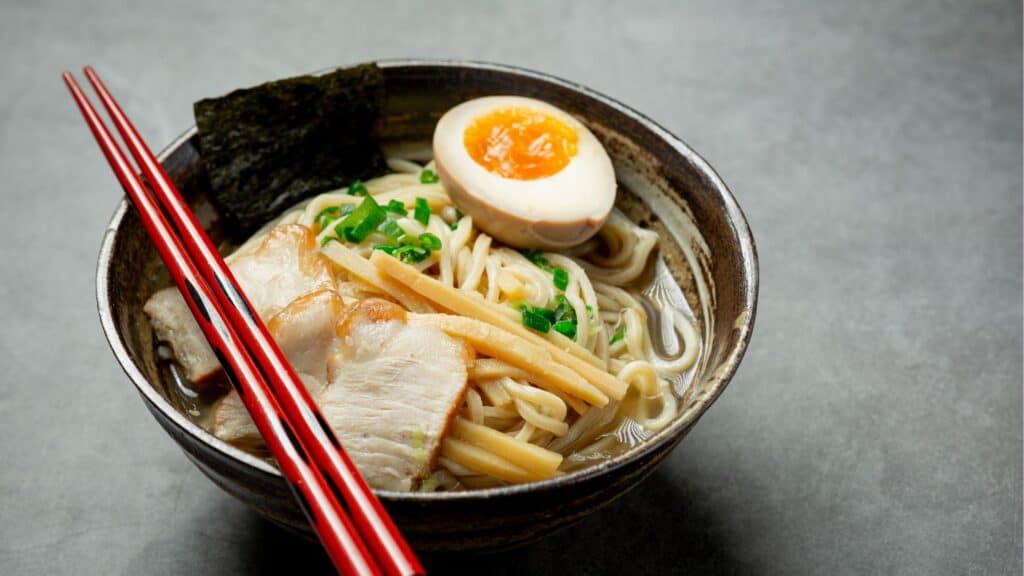
For example, from January-April 2025 alone, Korean ramen exports to Middle Eastern markets increased by 43.89%, with sauces seeing a similar 41.93% increase.
Sweet, savory, spicy, or all at once, consumers across regions want to discover their next taste obsession, and global flavor trends are answering the call.
Global Flavor Trends Have No Borders Online
We all know that social media is one of the primary drivers of global flavor trends.
But why?
It would be simple to say that it’s about crazes that go viral, but there’s much more to it than that.
For the most part, on these apps, the borders aren’t between nations but interests. Even 15 years ago, to learn about what people were eating or experiencing in other parts of the world, you’d have to see it on TV or read it in a magazine. Now it’s only a swipe or click away, and it’s happening in real time.
But this isn’t limited to vicarious experiences online; people are seeking to experience these tastes for themselves. It doesn’t matter whether that is abroad or, increasingly, in their own town or kitchen.
“It’s not strange now for someone here in Ireland to know everything about the hot new viral cookie shop in Brooklyn, or a cafe in Tokyo even before most of the locals do,” says Susan O’Shaughnessy. Manager – EMEA/APAC Applications at Edlong.
“This demand is putting pressure on restaurants and retailers of all sizes to bring these taste experiences closer to home.”
These global flavor trends are also greatly influenced by generational demographics.
Younger Generations Driving Global Flavor Trends
So much attention is focused on the “younger generations” of Millennials, and especially Gen Z. After all, Millennials came of age at the dawn of social media, and Gen Z grew up alongside it.
However, it’s important to note that Gen Z will soon be entering their 30s with the purchasing power to back up their influence on trends. Likewise, many millennials are the parents of Gen Alpha (and now Gen Beta), meaning the impact of their palette preferences will continue into the next generation.
“Previous generations often didn’t experience these international ingredients until their adult years. Now, you have nine-year-olds asking their parents to try yuzu or wagyu. This exposure is creating familiarity and fostering curiosity at a young age, that they’ll probably carry to adulthood,” explains O’Shaughnessy.
With these generations influencing innovation, the question becomes: where are global flavor trends heading next?
Global Flavor Trends Get Specific: Regionality & Authenticity
“In the past, global food offerings were very vague and generic,” says Nestor Vazquez, Manager – LATAM Applications at Edlong.
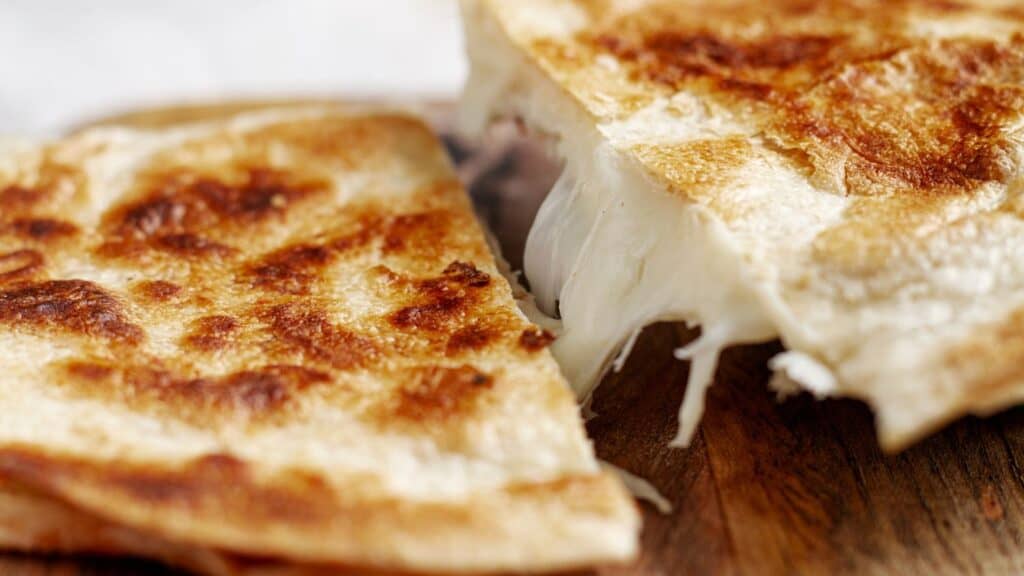
“You’d have your products labeled ‘Asian’ or ‘Mediterranean’ flavors; if you were lucky, it might have a country attached to it like Italian, Chinese, or Mexican. But that’s no longer enough for today’s consumers. From here in Mexico we’re seeing how our cuisine is becoming more popular around the world. Before someone in the U.S. or Canada would be okay with just ‘Mexican cheese’, but now more people are specifically looking for things like Queso Oaxaca, Cotija, or Chihuahua.”
O’Shaughnessy agrees, adding, “Here in Europe we’re seeing this same move towards greater authenticity and regionality. Instead of just flooding the market with ‘Asian’ or ‘Korean BBQ’ flavors, people are looking for gochujang or Sichuan peppers and mala. The same goes for Mediterranean and North African profiles like za’tar and harissa.”
She continues, “These satisfy not only the desire for something global but also for more complex spice profiles. They’re fermented. They’re fruity. They’re smoky. They’re less about that a simple thing like heat, and more about elevating the entire experience.”
Uncovering and promoting regional “named” global flavors opens incredible opportunities for continued innovation and exploration.
It takes what has become familiar and adds the layers of authenticity and novelty consumers are craving.
However, leveraging this balance between familiarity and novelty is where the biggest opportunity for global flavor trends lies.
From Fusion to Familiar
While a portion of global food trends shift towards novel regional specificity, accessibility remains the gateway for most.
Some of this may take the form of fusion, such as the growing popularity of KoMex (Korean-Mexican fusion), which balances shared ingredients to harmonize each cuisine’s unique flavors.
However, increasingly, it’s finding ways to present global food trends through familiar formats.
According to Vazquez, “Beverages, snack seasonings, and desserts offer the perfect opportunity for consumers to explore these flavors without risk. You’re taking familiar formats and flavors they already enjoy and pairing it with something new and exciting.”
O’Shaughnessy agrees and adds that identifying complementary profiles to pair with global flavor trends can extend far beyond mere accessibility.
International Ingredients as Everyday Ingredients.
“On top of combining global and familiar flavors, it’s becoming more common to start utilizing these international ingredients as everyday ingredients. Take gochujang as an example. Although it’s Korean, it’s become quite mainstream in its use. That is, it’s not just being used in Korean cuisine. People are putting it in things like pasta sauces to give spice and depth and things. So you end up with pasta with a tomato-based sauce that feels very Italian or European, but by adding this Korean ingredient it’s suddenly something different.”
“As much as it is new cultures finding ways to adopt and adapt other countries’ ingredients into their own, it’s that we’ve stopped putting cuisines into silos. Before it was this is this cuisine and that is that cuisine, and they stayed there. Now those hard lines are fading and even fusing in new ways.”
Combining foreign and local ingredients and techniques to create something unique is nothing new. Take the beloved al pastor, which originated with Lebanese immigrants who introduced the vertical spit-roasting technique used for shawarma.
This gradual proliferation and familiarization of foreign flavors is the opposite of something like viral Dubai chocolate. However, as things like matcha, miso, ube, and others illustrate, capitalizing on global food trends isn’t always about being first.
Not Missing the Boat
Like all other fast-moving trends, developing for global flavors can be tricky.
Do you risk being first on a trend that might fizzle? Or do you take a wait-and-see approach, given the risk of releasing into an already saturated market?
The answer is: it depends. But more than that, it depends on a wide range of factors beyond whether a global flavor is trending.
Take ube, for example.
A few years ago it exploded in popularity. Developers all over wanted to get on the trend. The problem is that the “ube infrastructure” was not there yet. It could be that farmers were unprepared for the increase in demand. Maybe local suppliers didn’t have the ingredients needed for widespread commercialization.
With any innovation, scalability, ingredient availability, and cost stability matter just as much, if not more, for success than a great idea.
As important as global flavor trends are, they only matter if you’re offering a great-tasting product at the right price.
Going back to Ube. Although the craze has plateaued, consumers still want it. The benefit now is that the ingredient infrastructure can better support the demands of innovation. Not to mention, while the appetite remains, many of the rushed, substandard products have already come and gone in the initial wave.
Dubai Chocolate Is Another Example
While everyone rushed to jump on the bandwagon, nearly two years out, it’s still here. However, it’s now transitioning from viral LTO territory and settling in as a standard flavor profile.
This doesn’t mean brands should avoid being early adopters. However, as global flavor trends become an innovation standard, approaches will need to shift as well.
As O’Shaughnessy explains, it may be time to see these less as simple trends, but more as tools.
“From a developer’s point of view it’s finding that balance between the familiarity piece and the innovation. Whether it’s leaning into authenticity or bringing them across categories, I think we’ll continue to see more and more exciting innovations where people are taking these popular global flavor trends and making them a part of an everyday toolbox rather than something that’s niche.”
Why Bitterness Masking Technologies Matter Bitterness masking technologies are increasingly important because bitterness can appear across a wide ... Read more