
Key Takeaways
- Today’s consumers value texture alongside taste, driving the rise of texture-driven flavor innovation.
- Texture is crucial in creating unique sensory experiences, with products like boba tea and mochi highlighting this trend.
- Dairy plays a key role in enhancing texture and taste, balancing spicy flavors and contributing to overall sensory appeal.
- Understanding the interplay between taste and texture is essential for developing innovative food and beverage products.
- Companies like Edlong leverage taste technologies to enhance mouthfeel and drive texture-driven flavor innovation.
“We’ve all heard the expression, ‘Taste is King’,” says Silvia Schnicker, Director of Marketing at Edlong. “That is 100% true, but we need to acknowledge that texture is queen. I don’t know if we’ve fully realized just how important overall sensory impact has become for today’s brands. Trending flavor profiles might be getting all of the headlines. But texture-driven flavor innovation is quickly becoming, if not the real story, hand in hand with taste.”
She continues, “Just tasting good isn’t enough anymore. It also has to feel good or at least add multisensory interest. Today’s consumers, especially younger generations, want products that are more ‘experiential’, and texture is playing a major role in that.”
What is Texture-Driven Flavor Innovation?
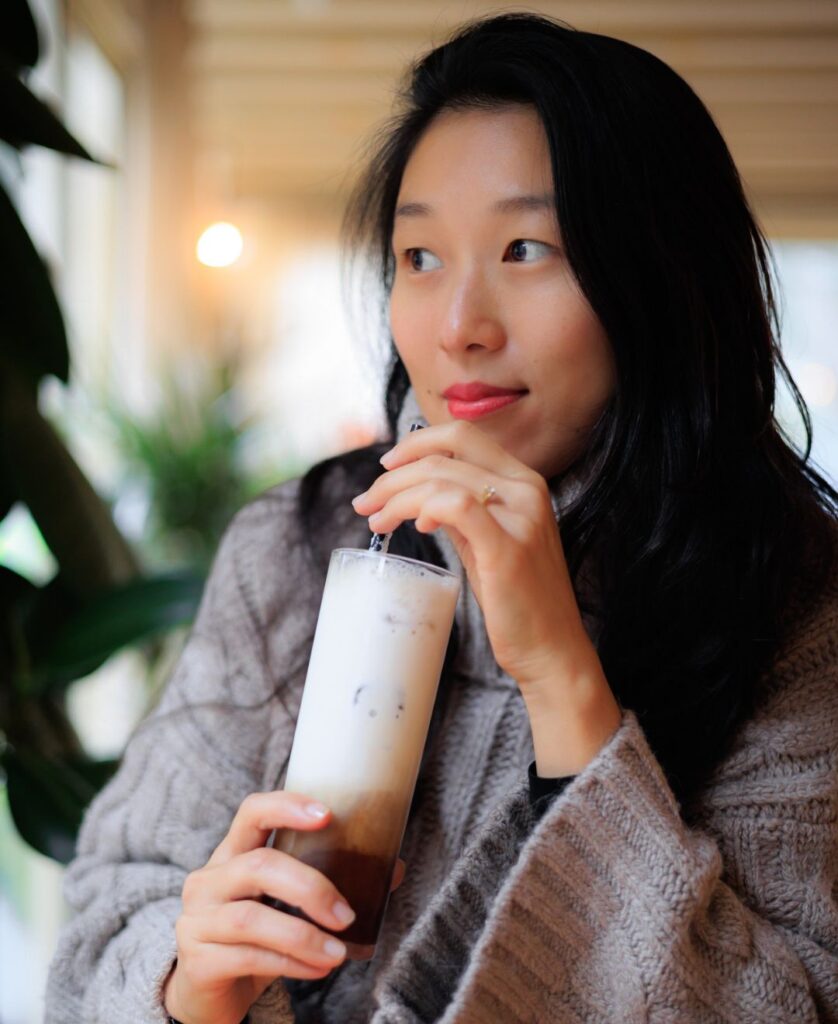
Sensory maximalism is currently one of the hottest trends in the food and beverage industry.
While much of the attention is centered around the extreme and unexpected, Schnicker says, for many consumers, it’s about discovery.
“It’s clear that trends no longer exist in isolation. Take global tastes, for example. We often focus on the unique flavors and spices, but global textures can be what tie the whole experience together. For some consumers and products it can even be the main draw.”
Global Textures
Julie Drainville, Director – Global Sensory & Innovation at Edlong, agrees, “Consumers are clearly searching for unique sensory experiences. And some developers are really seeing this as an opportunity to be more adventuresome with both flavor and texture.”
Schnicker adds, “We see this a lot with the influx of Asian-inspired products. Foods and beverages that were previously unexplored, but that younger generations can’t get enough of, like boba tea and mochi.”
Though known for their distinct chewiness, it’s the marriage and contrast between various tastes and textures that resonates with consumers.
We’re talking the smooth, creamy mouthfeel of milk tea paired with the sticky-sweet chew of boba pearls. Or the soft stretchy chew of mochi that gives way to any number of fillings, even ice cream.
Shchnicker sees this complexity and layering of flavor, tastes, and textures as a primary driver and differentiator for new developments.
“This is the very reason why Dubai chocolate continues to be so successful. It’s a symphony of crunchy, crispy, nutty, buttery, and chocolatey. There’s so much going on at the same time. Yet somehow the different aspects aren’t overpowering one another, but working hand in hand to enhance the experience.”
Yet, while many are leaning into the “wow” factor of pumping up the crunch and chew, sometimes it’s the subtle textural sensations that elevate and add the most depth to trending flavors.
Dairy for Creamy, Texture-Driven Flavor Innovation
Swicy is on everybody’s mind, but that’s not the only way people are turning up the heat.
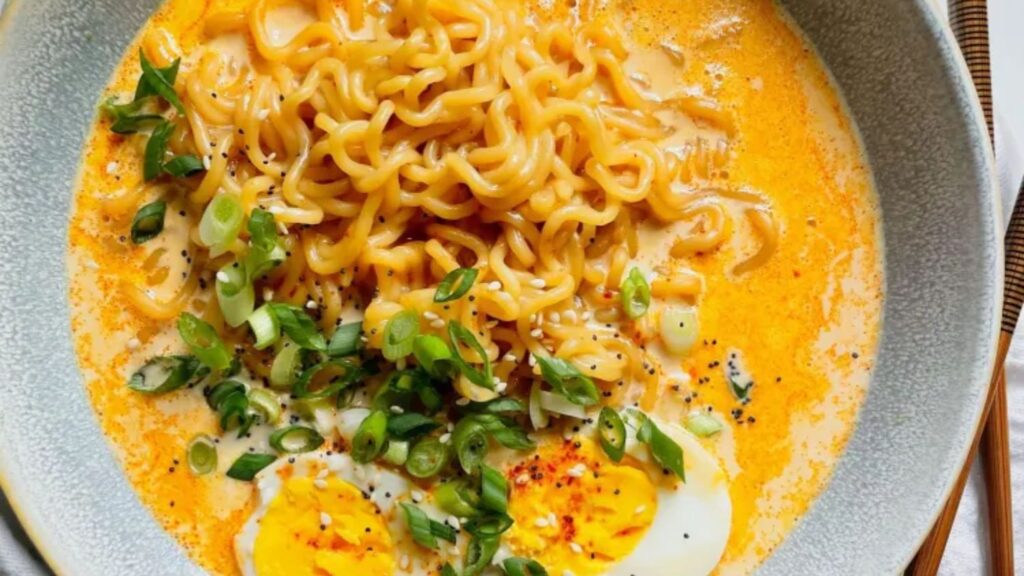
From chili-packed Mexican dishes to fragrantly spicy Indian curries and tandoori, and even ramen with so much heat that its packaging is literally covered with cartoon flames, consumers are eagerly exploring how countries from around the world embrace spice.
Some are in it for the challenge, but most are just looking to take their taste buds on a journey.
This is where dairy is unmatched.
Think the subtle, soothing, and cooling contrast of sour cream or crema, the smooth, velvety richness of heavy cream, the creamy tang of yogurt, and, of course, the melty versatility and umami of cheese.
Though these may dampen the peaks of spiciness, dairy in no way detracts from the experience.
It enhances it!.
It elevates spicy sensations with roundness, full and creamy mouthfeel, and texture that brings dishes into balance.
But the dairy effect isn’t limited to spice. In fact, it is probably one of the primary drivers of textured-taste innovation in modern beverages.
Dairy-Driven Texture & Taste Innovation in Beverages
Looking at social media, it might be easy to think that visual aesthetics have become more important for beverages than taste. This couldn’t be further from the truth.
Setting the luscious layers and striking colors aside, dairy is really running the show in beverages.
Nowhere is this better illustrated than in the rapid rise of foam toppers.
“Texture doesn’t necessarily have to be something solid. Applications like ‘cloud foam’ make that abundantly clear,” says Schnicker.
“We’re witnessing evolution in real time. Major brands have taken the foam and whipped cream people know and love, and adding a layer of luxury to it. These cold foams are thick and creamy, yet light and airy, and matches beautifully with both hot and cold beverages. Really it works on just about everything.”
Oh, and they are very dairy.
Then there is the dirty soda.
Syupy, sweet carbonated soda paired with smooth, rich cream, to recreate a nostalgic soda shop float without the ice cream.
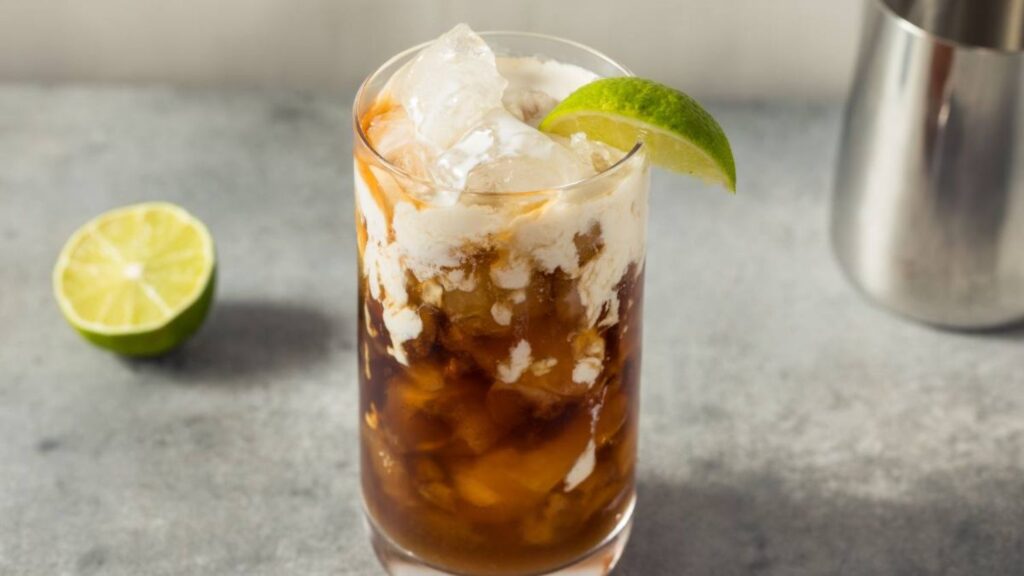
This balance of prickly sweetness and indulgent dairy mouthfeel is a simple yet great example of texture-driven flavor innovation.
Still, simply understanding the pivotal role that texture plays in meeting the demands of today’s consumers is no longer enough. It requires developers to deeply understand the interplay between taste and texture, and how that shapes the overall sensory matrix.
Leveraging Sensory for Texture-Driven Flavor Innovations
Addressing sensory perception is complex.
What most people think of as taste and texture is actually a combination of one’s perception of all your senses, including aroma, basic taste, texture, sight, and sound.
According to Drainville, it’s also important to understand that these cross-modal interactions draw on more than raw sensory data.
“Many of the mechanisms of how we perceive mouthfeel are still unknown. But from a sensory standpoint, we are continuing to correlate quantitative data on textural attributes with consumer liking data to understand how mouthfeel can impact product performance. And beyond that, we are investigating the strong link between aroma, taste, and texture and the impact cross-modal interaction plays in mouthfeel.”
She continues, ”For example, if you eat something stale, you’ll know it immediately. Why? For one, the texture doesn’t match the expectation of something fresh. But neither does maybe the smell, the taste, or even the sound. It’s all of these working together in comparison to the experience of something fresh, that give the perception of ‘staleness’.”
“We can go further. We all have heard smell is the sense most tied to memory, and there is evidence of that. But I’m sure you could remember that taste of your favorite chocolate chip cookie. More than that you probably remember the exact texture as well. You’ll know when something comes close. The same goes for the first time you’ve tried a new dish when travelling. New flavors and textures trying to find frames for expectation from previous experience.”
Unraveling and understanding this complexity creates greater possibilities for truly impressive texture-driven taste innovations.
Layered Textures & Tastes
Understanding how texture and taste perception rely on expectation is only the first layer of building premium and unique experiences.
It allows you to craft authentic and complementary layers of taste and texture, but also contrast them for greater excitement.
We see this in everything from the previously mentioned Dubai chocolate and boba tea, to sandwich crackers and ice cream.
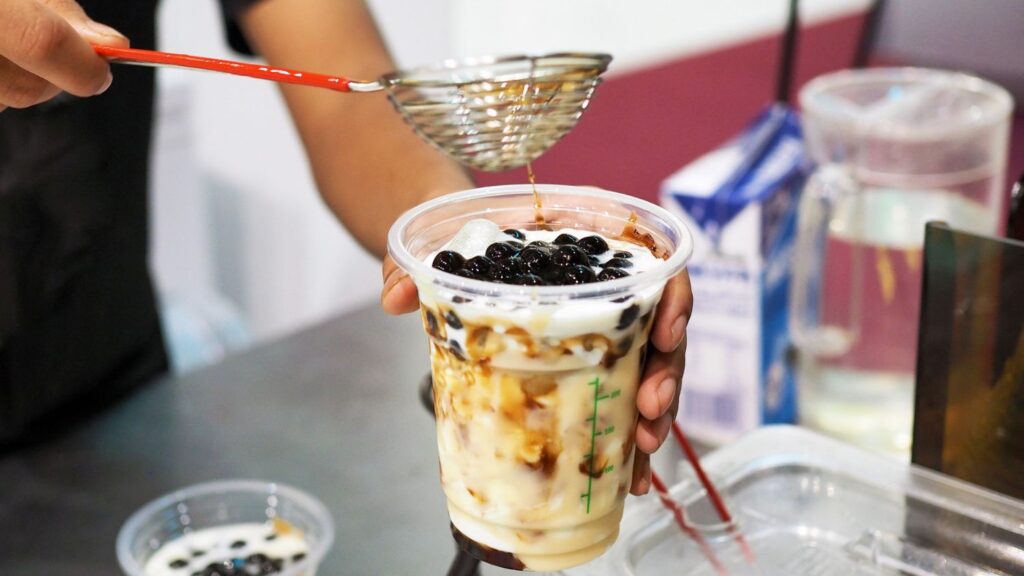
Still, this synergy between taste and texture isn’t just about a culinary match. It can also mechanistically impact how each is perceived.
As Drainville illustrates, “Take our boba example from earlier. As you chew the boba pearl it releases a variety of different flavor components. However, this doesn’t exist in isolation. Your perception of that flavor is also affected by the liquid. Does it have a lot of sugar? This not only impacts the sweetness, but the brix level and viscosity. Is it flat and watered down, or is it full, rich and creamy. Each of these textural factors impact not only mouthfeel, but actually how flavor and aroma compounds are released and perceived.”
In a market where indulgence is now a prerequisite, regardless of trend, mastering mouthfeel and flavor perception is critical.
Our Taste Technologies
Taking a look at beverage application in particular, mouthfeel is defined as a sensation of fullness, volume, and thickness.
Many may assume that achieving this requires the presence of fat, but this isn’t necessarily the case, says Drainville.
“In dairy, the percentage of milk fat impacts the mouthfeel perception. That’s why whole milk is creamier and coats the palate much more than 2% or skim. However, by understanding and manipulating the compounds responsible for this effect, we’re able to add and build back mouthfeel using our taste technologies. Even in something as simple as seasoning.”
That’s because for over a century, Edlong has been a global expert in everything the taste of dairy can be.
But developing innovative taste technologies that help brands meet the moment and set new standards can’t rely only on experience.
It’s about pushing the boundaries, to become an innovation partner and problem solver, not just a supplier.
Ongoing partnerships with research organizations like Monell allow us to unpack the mysteries of sensory and translate them into cutting-edge solutions.
Solutions that can build back and balance mouthfeel, enhance indulgence, and craft authentic experiences that take texture-driven flavor innovation to the next level.
Related Links: