
Key Takeaways
- New Year’s resolutions often focus on health, yet many are abandoned quickly, highlighting a larger issue of obesity.
- As obesity rates rise globally, including among children, quick fixes like resolutions won’t solve the problem.
- To promote healthier options, society must prioritize delicious, nutritious foods rather than merely labeling unhealthy ones.
- Food industries are responding with functional foods, but we must continue to make all products healthier and taste good.
- Engaging younger generations in better nutrition can help create lifelong healthy habits and change current trends.
A Fresh Start And Reclaiming A Healthier Self
New Year’s resolutions are nothing new. In fact, they’ve been around for almost as long as modern human civilization. Many of these resolutions focus on becoming healthier in the year ahead.
In their current iteration, the “new year, new you” concept is usually all about health. A recent survey from Statista, ”eating healthier” (19%), “exercising more” (17%), and “losing weight” (15%) made up three of the top four resolutions of respondents. Only “saving more money” (21%) had more, but considering the state of the global economy, this is more than understandable.
This focus on a fresh start and reclaiming your health come January lines up with the rising trend of post-pandemic health consciousness. Unfortunately, according to a The Forbes Health/One Poll survey, the average resolution only lasts 3.74 months. In fact, 70% are entirely abandoned by June.
This becomes highly concerning considering the data which suggests that by this year (2025), 46% of all adults globally will be an unhealthy weight.
While in the past, this may have been seen as an issue of excess and sedentary lifestyles that primarily impacted developed countries, nations in the global south and other developing economies are seeing some of the sharpest increases in obesity rates since the turn of the century.

Even more alarming is the global rate of children who are an unhealthy weight. In 2025, it is estimated to be around 28%, with a projected increase of 5-6% every five years.
Clearly, this problem is not something that willpower and a New Year’s resolution can solve.
The question is, what can we do?
Many are beginning to look towards medical interventions like GLP-1 agonists due to their success in helping many lose weight.
However, like many approaches, they may be part of the overall solutions. But we should also view these drugs in a broader context. Systemic and lifestyle issues can also play a role in unhealthy weight.Additionally, these issues are subsequently causing an increase of non-communicable diseases, globally.
Tackling this ongoing crisis will require holistic solutions, and that starts with food.
Healthier Habits by Changing Perceptions
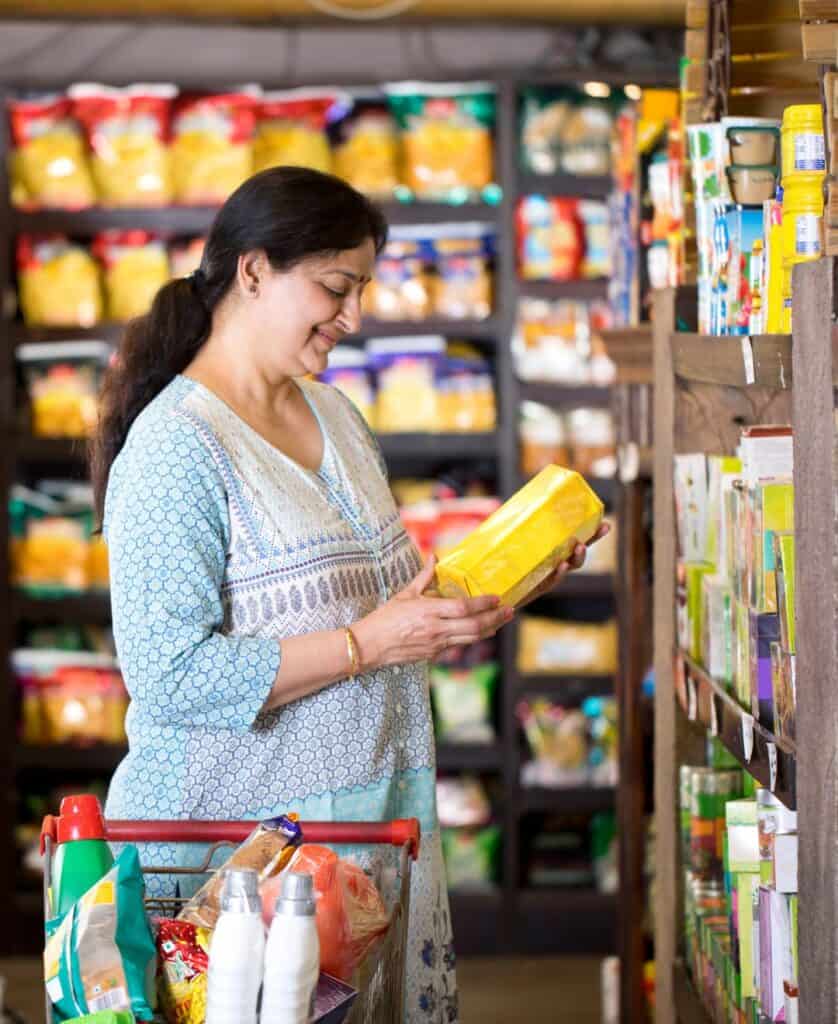
I’ve talked at length before about the importance of understanding what people value from their food products, which might differ from what you expect.
Many consumers say they want to eat healthier and would even pay more for products that could help them do that. Yet, that’s not always what they value most.
For example, with on-the-go lifestyles, many want convenience. Some simply want to escape their stress with an indulgent treat. Often, shoppers are looking for both.
Regardless of the underlying reasons, they need their food to taste great and provide a pleasant experience.
Front-of-pack food labeling schemes can fall short here. Examples include Europe’s traffic light systems and Latin America’s black labels.
To be clear, I believe these systems help educate consumers. They also help people understand what they are eating. Furthermore, they educate about how it helps or potentially hurts them in meeting their nutritional needs.
Yet, they can lose their potency when the options that satisfy their non-nutritive needs are only found in a sea of front-of-pack warning labels.
Without nutritious and delicious alternatives, this could reinforce the perception that “healthy = not tasty” and “unhealthy = tasty”.
To me, making the healthier option the preferred option for consumers means making them widely available. But above all, it means making them delicious.
Taking Steps Towards Healthier Options
Over the past half-decade or so, there have been many encouraging signs that the food and beverage industry will rise to this challenge.
The explosion in popularity of functional foods products that can offer tangible and targeted physiological health benefits, the push for increased protein, and a growing desire for “cleaner” and more “natural” ingredients are just a few of the ways companies are answering the call.
Then, of course, as I like to say, “Not every product has to be a health-food. But we can make every product healthier.”
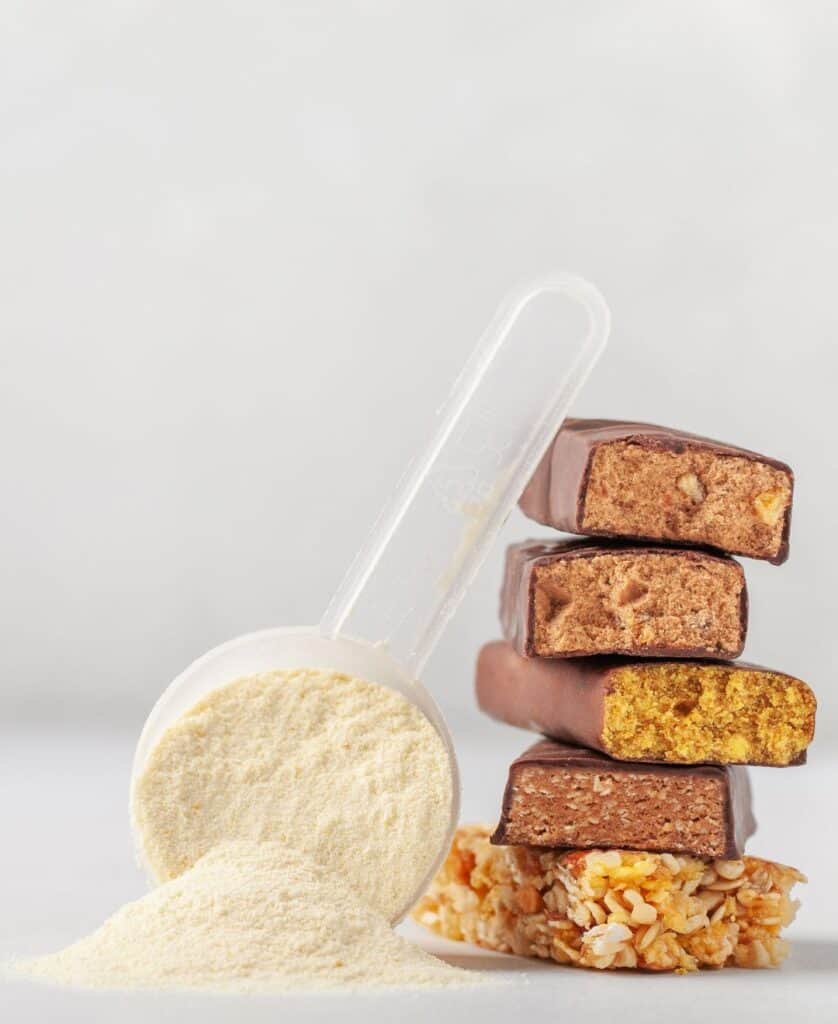
Whether through fortifications, reductions, or reformulations with cleaner ingredients, we can improve the nutritional content or at least mitigate the negative impacts of products people already know and love.
Creating a New Nostalgia
Speaking of products people know and love, there is a reason the “newstalgia” trend has had so much staying power.
People love products that remind them of simpler times; the only problem is that for many consumers, those products are often not the healthiest options.
Again, many food product developers are working hard to create a more nutrient-dense nostalgia. However, what if we can make a completely new one?

With Millenials and Gen Z achieving greater buying power, they have rightly been the center of attention for many. But if we want to craft lifelong healthy habits and new expectations for nutrition, Gen Alpha and the newly minted Gen Beta provide the perfect opportunity.
For example, by improving school lunches, snacks and treats, and science-based education, we can help turn the tide of these disastrous trends and set these new generations up for a lifetime of success.
But to make this a reality, these foods can’t just be healthier. They also have to taste great.
Find out how partnering with Edlong today can help you do just that.
Related Links: