
Key Takeaways
- Nostalgia influences food trends, blending short-term fads with enduring preferences.
- Social media plays a vital role in shaping nostalgic food trends, connecting generations through shared memories.
- Nostalgic foods create powerful sensory experiences that evoke childhood memories and bring people together.
- Developers can innovate by reimagining nostalgic products to appeal to both older consumers and new generations.
- Edlong offers expertise in creating authentic and innovative flavor solutions that tap into nostalgia.
Food is like fashion. It’s up and down, in one day and out the next. What people find interesting or cool can just as quickly become bland and boring. Similarly, just like the pipeline from runway to big box store, what’s wowing in fine dining this evening might only be six months from the local freezer section.
With the rise and reach of social media, one influencer can now create or cancel a trend with a single viral post. The unpredictable and ephemeral nature of these fads is why you won’t often see them on reports like our “Top Trends of 2023”. Instead, these reports strive to take a long-term view of the direction the industry is heading.
“Nostalgia”, however, in its broadest sense, might be one of the few things that can manage to tap into both short-term fads and long-lasting trends.
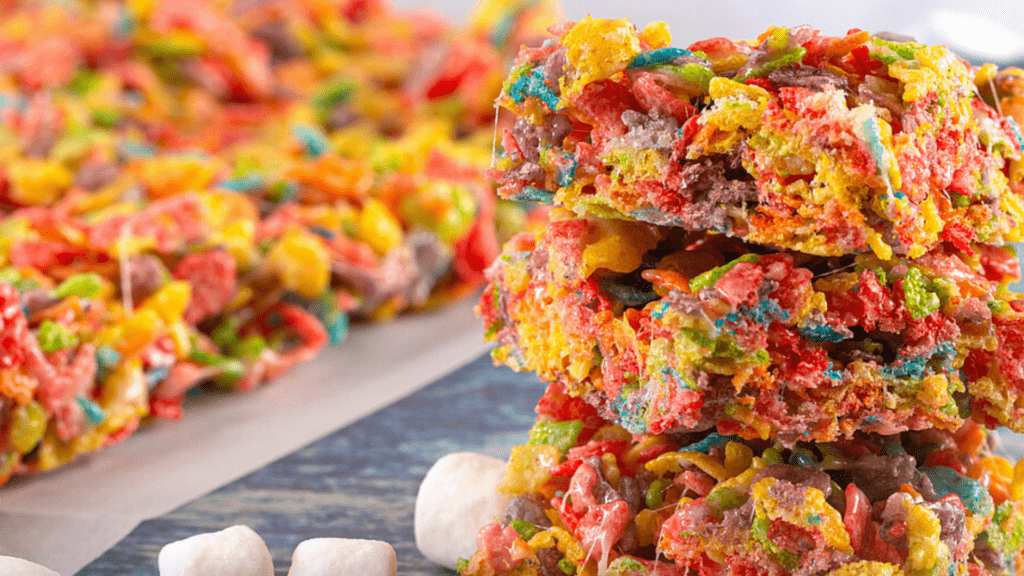
No one can deny that the ’90s are “having a moment” and resurgence in popularity within the culture at large. However, while social media may ironically bring back fashion we’d like to forget and Hollywood retreads that miss just as often as they hit, the universal appeal of nostalgic foods always manages to strike something in the heart of consumers.
It’s gotten to a point in recent years where even Innova Market Insights listed “Modern Nostalgia” as one of their Top 10 Trends in 2021.
However, I think nostalgia in the food and beverage industry happens more often than we realize. When we consider that 76% of consumers aged 22-55 enjoy things that remind them of their past, while 70% of those over age 65 feel the same, nostalgia is something that’s always been there. This gives developers the unique ability to bring back familiar flavours. As a result, they can transport consumers to a “simpler time” in a way only food can.
What is it, though, that makes nostalgia for food extend across generations, and how can developers use these memories as a means of innovation?
Why Nostalgia for Food
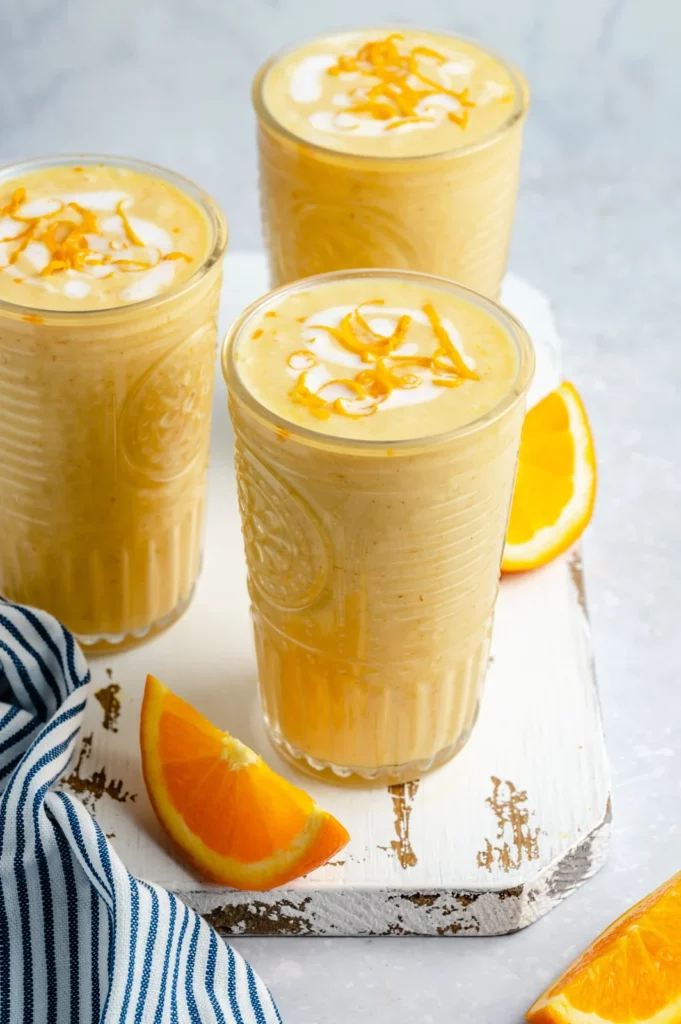
“One of my favorite nostalgic flavors from childhood is the Orange Creamsicle. Growing up in New Jersey, we would go “down the shore” every summer. Going to the Boardwalk amusement park to get an orange creamsicle ice cream cone was always a special treat. It’s still one of my favorites!”
Patricia Updegraff – Business Development Manager Northeast
“When considering the appeal of nostalgic foods, you must consider how many of your childhood and teenage memories are shaped by food? Probably quite a few. Nostalgic food acts as a catalyst for reconnecting with the past and summoning memories,” said UK-based food historian Seren Charrington-Hollins when discussing food nostalgia with Innova Market Insights. [1]
She continued, “Food memories are more sensory than other memories in that they involve really all five senses, so when you’re that thoroughly engaged with the stimulus, it has a more powerful effect.” In other words, memories connected with nostalgic foods, as she says, have “latched” on to taste, strengthening their ties.
This is why a single bite or smell of one of these products can remind you exactly when, where, and most importantly, who you were with when you enjoyed these products in the first place.
Community and the Generational Connection
“As a child, I remember waking up in the mornings to the smell of freshly made tea infused with ginger and cardamom. There would be regional music in the background, and mum would be bustling around the kitchen with dad helping her, or both would be seated on the veranda facing the rising sun, sipping their tea, and reading the daily newspaper. To this day, that earthy, fruity, sweet smell refreshes me instantly, reminding me of love, comfort, and trust, making me feel happy and relaxed.”
Binu Nair – Food Safety & Quality Director
Much like a family recipe that’s passed down through generations, these nostalgic products allow consumers to share memories with friends and family. Thanks to these revivals, they can even create new ones.
In reality, regardless of how great the product tastes, it’s not as much about the food as the experience that brings people together. Furthermore, sharing and talking about a taste from your childhood with others is what really can set that connection tone.
The social media aspect further amplifies this by allowing an uncountable number of people to reminisce in a collective experience. At the same time, it signals to developers which treats might be primed for a comeback.
As generations like older Millennials start to enter the height of their purchasing power, it allows them to share these products and the memories they formed with their own children. Moreover, Gen Z consumers who may not have a nostalgic connection to these products get to experience these “retro” items as something completely fresh and new.
Taking advantage of the cross-generational appeal and the lifelong associations these products can generate presents developers with the opportunity for a unique type of innovation.
Innovation: Making the Old New Again

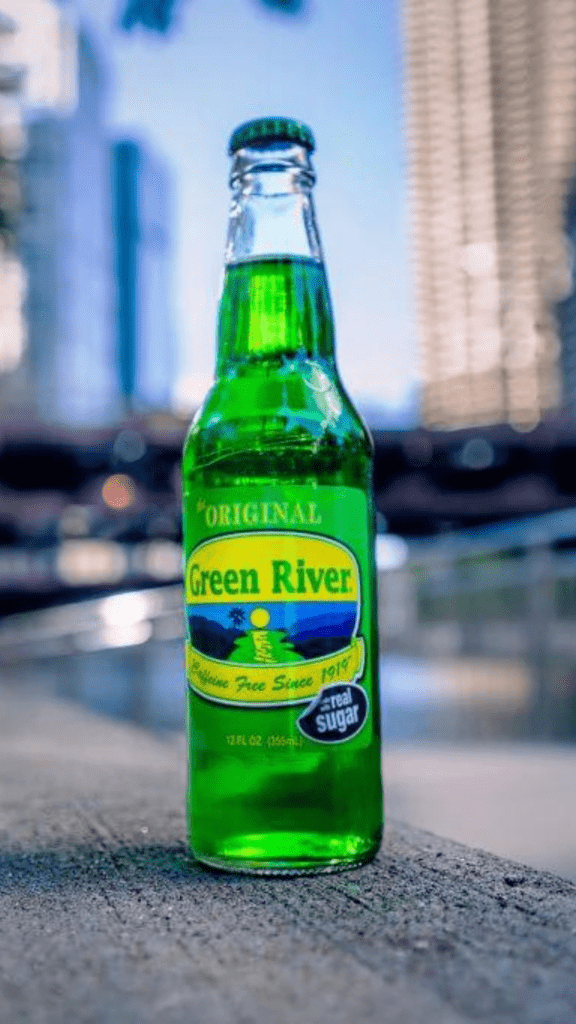
“My favorite taste from the past is a Chicago classic- Green River soda. It’s a lemon-lime soft drink but colored bright green (it matches the Chicago River on St Patrick’s Day). I didn’t have soda regularly as a kid, but when we’d visit my mom’s sister, who still lived on the South side of Chicago at the time, we occasionally would get this as a treat.“
Anne Druschitz- Corporate Research Chef
Nostalgia is an amazing tool for innovation as it’s incredibly layered in what it can accomplish. In one fell swoop, you can hit on the reminiscent, new and exciting. Additionally, you can possibly bring new consumers into the fold and reestablish with others that you are a brand to trust.
With the advancements in technology, ingredients and formulations from the time of the original product’s run, developers can create comeback products and flavours that are not only exact replicas but also reformulations and reimagined versions. This lets them better resonate with current consumers.
Whether you’re working on healthier plant-based versions of classic treats, more modern “newstalgia” refreshes, or simply sticking to the original down to the packaging, it’s the flavour profile that is key.
That can often be easier said than done. Although advancements in the industry can present clear advantages for your nostalgic innovations, changes in regulations, ingredient availability, and consumer taste preferences may present roadblocks. These issues can prevent you from achieving the authentic flavour your product requires for success.
“For me, it’s the Dreamsicle Shake from a hot dog place in Chicago called Boz’s. They used to be ALL over the Chicagoland area, but now only a handful are left. I don’t think they offer that shake anymore, but I loved it, and the flavor just reminded me of my teen years in the summer going to my driver’s education class as it was right next door.”
Bob Corbett – Tradeshow & Events Manager

With over 100 years of experience, Edlong is the perfect partner for unlocking the potential of your nostalgic product. From truly authentic and innovative modern flavour solutions to popular profiles from decades past, our team is ready to help your product start its comeback success story.
[1] Innova Market Insights -Briefing Series Retro Childhood Snacks Gather Pace
Related Links: