
Key Takeaways
- Sweet brown flavor innovation is transforming culinary possibilities, blending traditional techniques with modern applications.
- Understanding the science behind sweet brown flavors, including caramelization and the Maillard reaction, enhances product development.
- Developers face challenges in scaling innovative techniques like sous-vide cooking and smoking for large production.
- Trends show a rising consumer demand for complex and adventurous flavor profiles in both confections and beverages.
- Mastering the science and leveraging new technologies will drive the future of sweet brown flavor innovation.
A New Era of Sweet Brown Flavor Innovation
From rich and indulgent to downright decadent, the warm and familiar taste of sweet brown flavors continues to grow in popularity worldwide. Yet many classic profiles continue to inspire consumers and developers to seek out the newest thing. This could usher in a new era of sweet brown flavor innovation.
Greater precision and fresh uses of traditional culinary and production methods are opening new possibilities. These advances can inspire exciting applications, ingredients, and sweet brown flavors beyond high-end gourmet desserts.
But what exactly is a “sweet brown” profile? And how can a deeper understanding of the science behind it lead to products with more depth and flavor complexity?
The Science Behind Sweet Brown Flavor Development
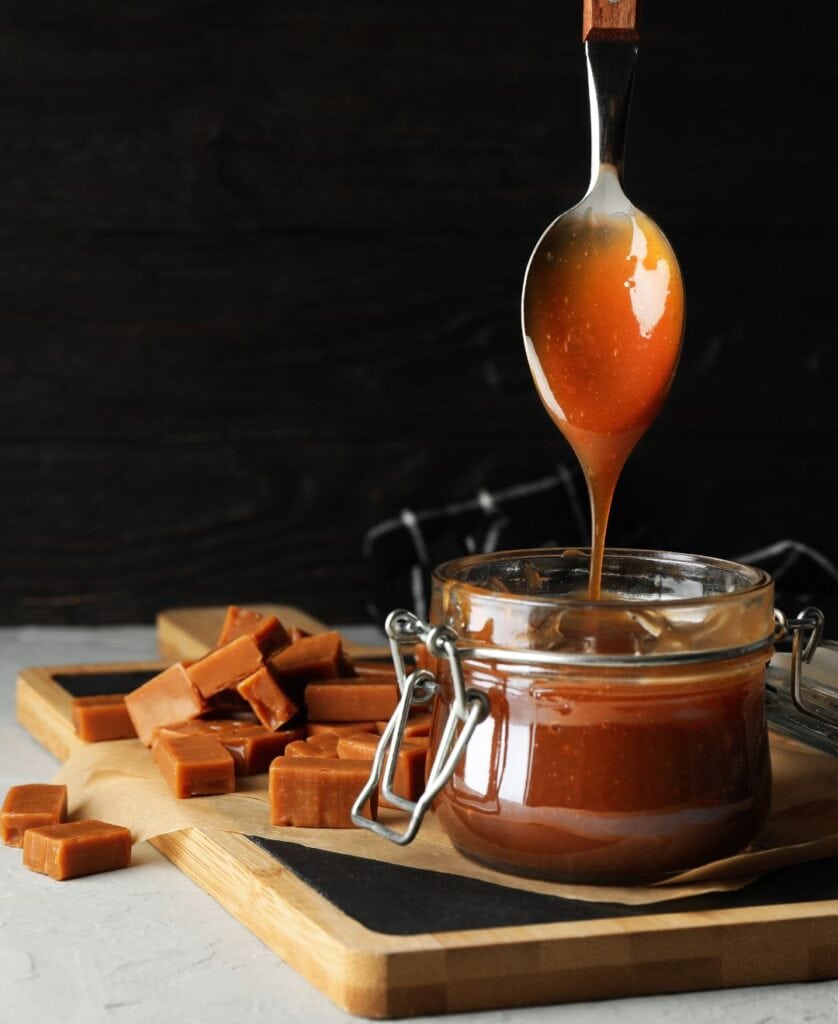
“It’s really interesting when you think about how a flavor can taste ‘brown’,” says Dr. Bernd Koehler, Vice President – Global R&D. “But this term that we can use to categorize everything from caramel, butterscotch, toffee, and even chocolate, vanilla, and roasted nuts does in fact get associated with these profiles because of their color. However, there is more to it than that. It actually describes the process of heat-induced ‘browning’ that ingredients undergo which gives them their characteristic flavor profiles, richness, and depth.”
He explains that while ‘brown’ flavors are typically the result of specific, yet complex chemical reactions in the presence of heat, they can also be influenced by enzymatic conversion or fermentation.
Caramelization & Maillard Reaction
Caramelization and Maillard reactions can both create browning. While they often happen at the same time, they are different processes.
“The easiest way to distinguish between the two is that caramelization has to do with the breakdown of sugars to create the browning and the Maillard reaction requires sugar and amino acid from proteins,” explains Emily Sheehan, Manager – EMEA/APAC Applications.
Taking a closer look, she explains, “Caramelization is the chemical process that occurs when sugars are heated to a high enough temperature to break down the sugars. This leads to the formation of brown pigmentation, and complex sweet, rich, and nutty flavor notes.”
“The Maillard reaction, on the other hand, is caused by heating amino acids and sugars at high temperatures. This results in the characteristic browning created by high molecular weight polymers known as melanoidins. It also adds incredibly rich savory and complex roasted notes, think coffee, crusty bread, or grilled meat.”
Create a Foundation for Shaping Brown Flavor
Although this explanation may seem simple, Eric Diaz, Certified Flavorist, sees more value beneath the surface. He believes mastering these process variables creates a foundation for shaping brown flavor and developing winning products.
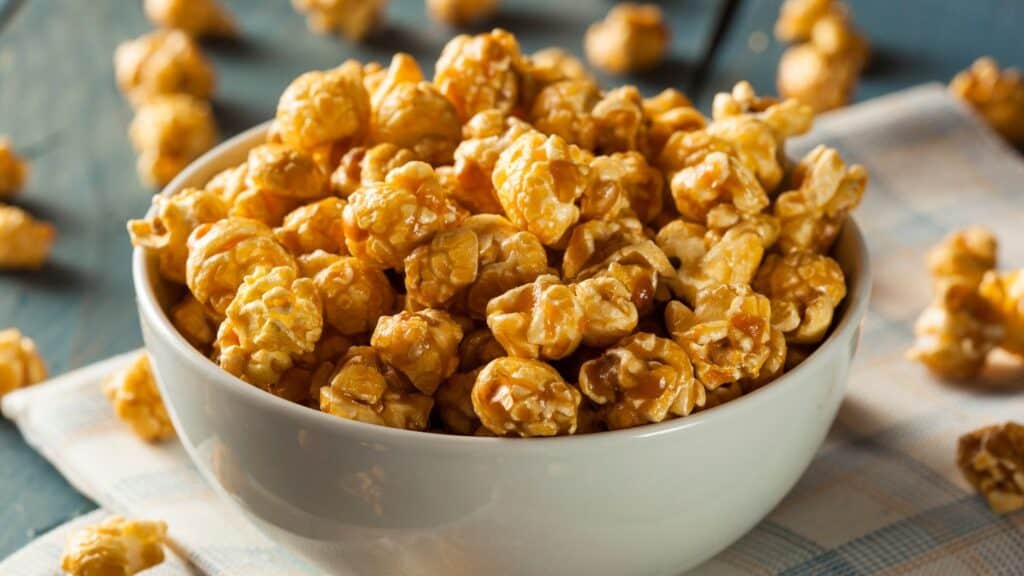
“In a general sense, heat is really what controls the speed of these flavor components’ development. The more heat is introduced, the faster the terminal ending molecules or compounds responsible for the flavor are produced. Conversely, using less heat, or going with a ‘low and slow’ approach, will take more time to create the desired flavor and aroma compounds.”
He continues, “Whether you’re a chef in a restaurant kitchen, a regular guy working his grill in the backyard, or a production facility for a major CPG company, getting the desired results comes down to precision cooking. Typically, higher heat sources require more precision, because something can go from amazing to inedible really quickly. Lower heat methods like sous vide or smoking are slower, but can be much more forgiving, and create a distinctly different depth of flavors.”
Arrhenius Equation
Further illustrating the importance of precision, Dr. Koehler explains, “Even when we look at the molecular level and the chemical reactions specific to our materials, how you manipulate and apply heat conditions will make the difference in your results. In fact, based on the Arrhenius equation, by increasing the temperature by 10 degrees, you can approximately double the reaction rate of browning.”
According to Diaz, the underlying process may be the same. But controlling levers like temperature, time, and pressure can lead to greater sweet brown flavor, texture, and product innovation.
Heat, Time & Transformation
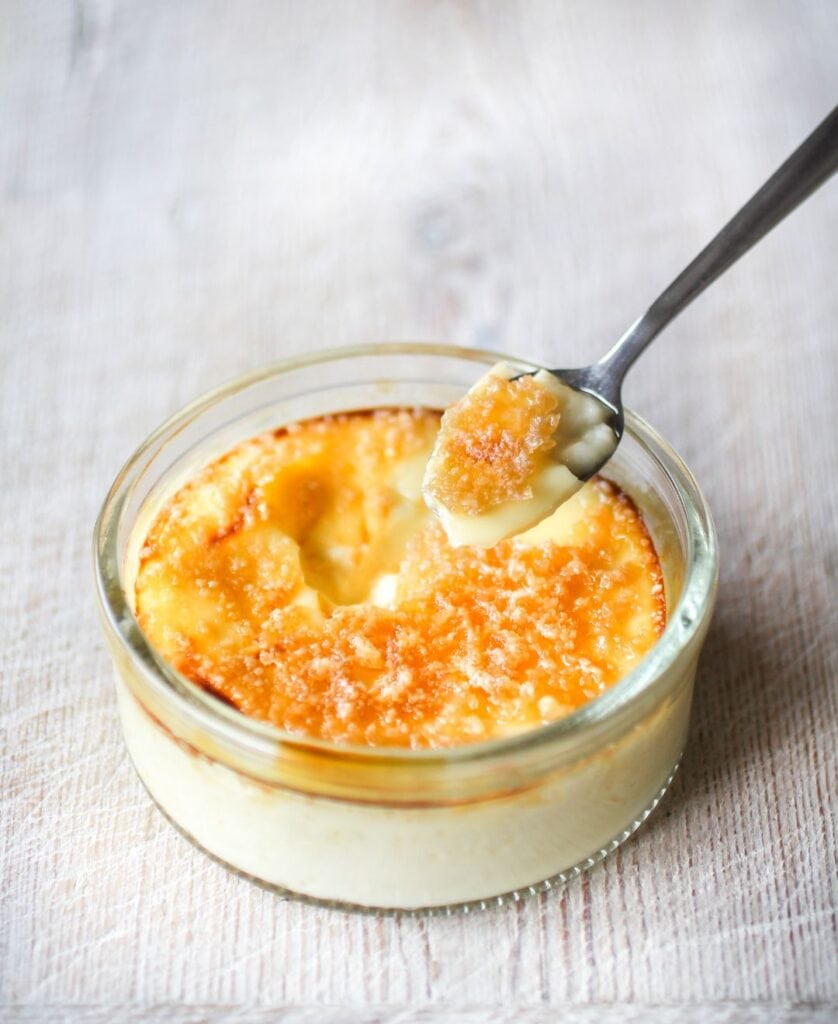
“Take a crème brûlée, for example,” says Diaz. “The sugar gets torched on the outside, that heat velocity is very, very high on the exterior, and crystallizes and caramelizes that sugar and protein at the top, but the custard beneath just gets warmed, creating a complex mixture of flavors and textures. You have the burnt caramelization on the crust, and then just have cooked or denatured protein beneath, which has its own flavor.”
He adds that utilizing this knowledge can allow developers to design more unique combinations of flavors and textures, such as a sous-vide cheesecake where every bite has the taste and texture of the center.
Still, heat-generated reactions aren’t the only way to create “brown” flavor profiles.
Enzymatic Browning & Fermentation
When creating something with the rich caramelized sugar and fruity notes of banana, you’d never use a green banana, right? But why?
That’s because an overripe banana has undergone enzymatic browning. In this reaction, enzymes in the banana convert compounds into brown pigments called melanins. Other enzymes such as amylases and glucosidases break down starch into sugars. That’s why ripe bananas taste noticeably sweeter than green ones. Lastly, a complex mix of flavor components are formed to make up the characteristic banana flavor.
Similarly, in fermentation, microbes and yeasts ingest various substrates to produce sugars and other flavor compounds.
Classic sweet brown ingredients can also undergo fermentation. Ingredients such as vanilla, cocoa, and coffee may use it to increase or reduce specific flavor notes. For example, fermenting vanilla can increase its vanillin content, the compound responsible for its characteristic taste. Fermenting cocoa can develop color and flavor. With coffee, various methods can enhance acidity along with fruity and earthy complexity.
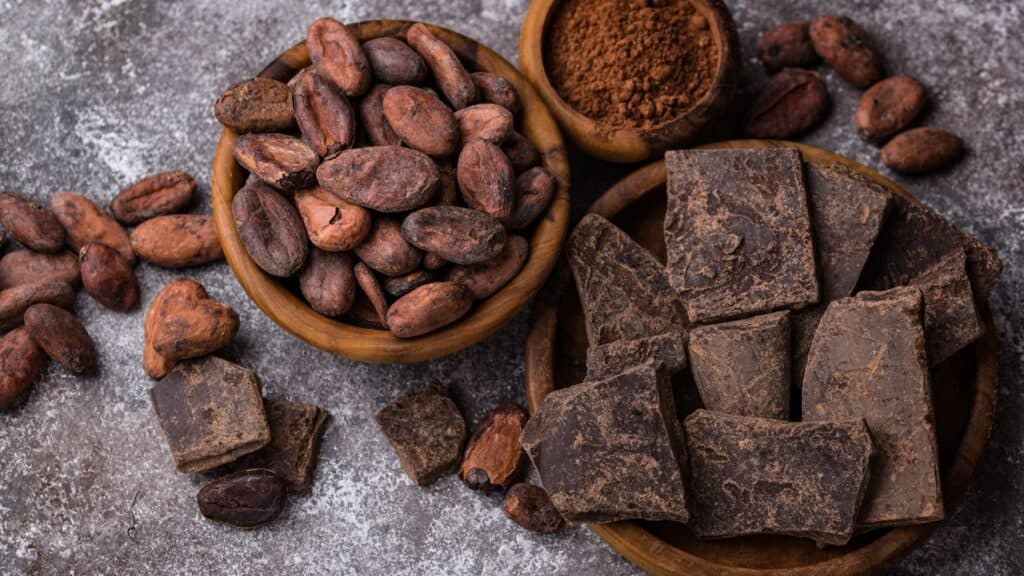
Note that both cocoa and coffee are roasted post fermentation, adding further nuances from caramelization and Maillard reactions.
Many liquors, such as whiskey, brandy, and cognac, are also fermented. This helps develop sugars and round out their unique profiles.
Sugar, Spice, Nutty, & Nice
Lastly, there is a group of flavors that are considered “brown” all on their own.
These rich, sometimes warm flavors include everything from molasses, maple, and brown sugar to cinnamon, cloves, and pumpkin spice.
Unsurprisingly, developers often pair these beautifully with other sweet brown and confectionery flavors.
Next-Generation Sweet Brown Flavor Innovation
Smoke, Fire & Flavor Evolution
Smoking, charring, and a kiss of flames are no longer gatekept by pit masters and weekend barbecue enthusiasts.
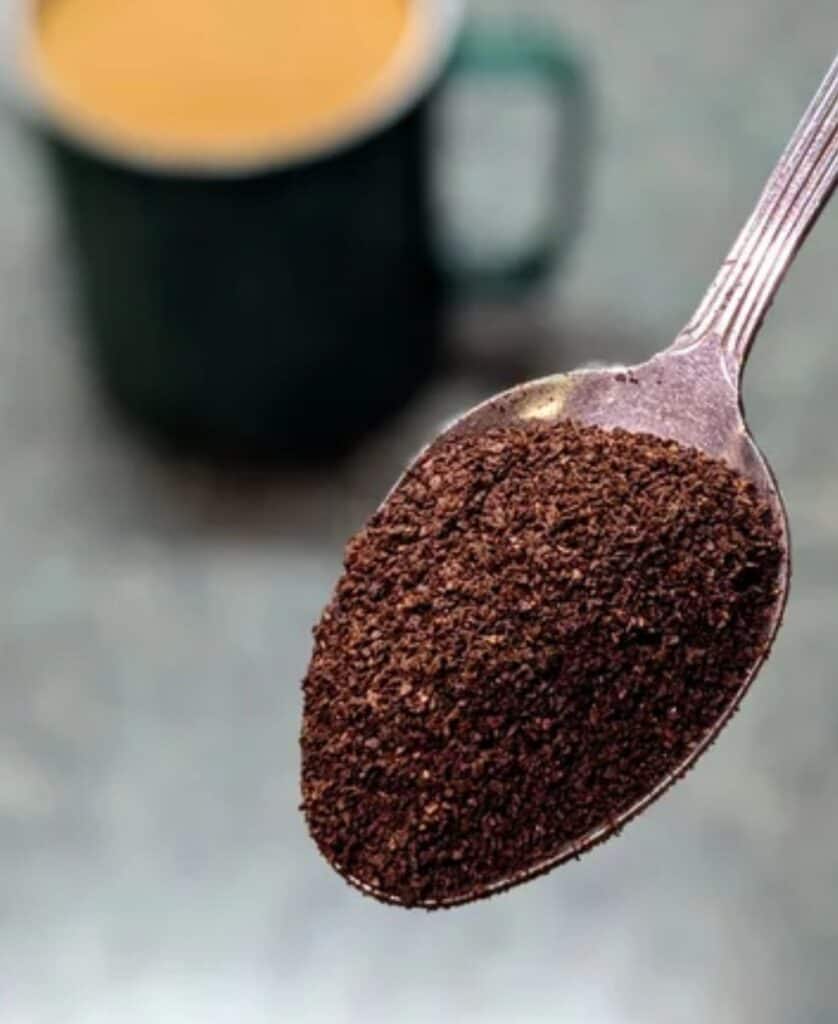
“If you’re keeping your finger on the pulse of what’s trending it’s hard not to notice smoked and burnt profiles popping up everywhere,” says Anne Druschitz, Associate Principal Scientist and Corporate Research Chef.
“Whether it’s cocktails or even ice cubes, many more restaurant kitchens have a smoke gun at this point and are looking for opportunities to use it.”
She explains that while not a brown flavor, the nuanced complexity an infusion of smoke or char can bring to a profile is something your average, non-foodie consumer can still get excited about.
Profiles and ingredients like smoked sugar, smoked maple, infused caramel, and burnt brown sugar syrup are gaining traction. They’re now appearing on menus and store shelves across the country. Even coffee chains are experimenting with flavors like smoked butterscotch in their beverages.
Druschitz believes consumers will keep seeking interesting, indulgent, and novel profiles and combinations. This desire will continue to drive the next generation of confections and beverage innovation.
Crafting Next-Gen Confections & Beverages
“The fun thing with sweet brown flavors is that there are so many directions they can go, especially with the dessert side,” says Druschitz.
“The indulgence is always fun, delicious, and interesting but with the savory side there is lot of depth as well. Consumers are seeking out more than just sweet and salty or sweet and sour. Today they appreciating the combination sweet and spicy, sour and spicy, and other, bolder combinations.
Adding to this, Sheehan believes sweet brown innovation will come from pushing boundaries, “I think we’re not only going to see interesting flavor pairings, but textures and fusions people wouldn’t expect. People are going to be more adventurous with their purchases, especially when it comes to snacking and functional beverages.”
The Future of Sweet Brown Flavor Innovation: What This Means for Product Developers
A firm grasp of the science and culinary techniques behind these products is essential for crafting delicious applications. But bringing them from the restaurant kitchen or R&D bench to commercial scale can be a tall order.
For one thing, there is the reality of cost and scale.
Chefs may use techniques like sous-vide or smoking with ease in restaurants or home kitchens. But these methods can be difficult or impractical to reproduce on a commercial scale.
Between the investment in technology and equipment and the volatility of commodity costs, some formulations could quickly become untenable.
Brown butter is a perfect example. This profile offers rich, indulgent, and subtly sweet nuttiness that can elevate any application. But standardizing the taste and adding it to existing recipes and commercial processing can quickly become a headache.
Government regulations also continue to change and create uncertainty. For example, the EU is moving toward a ban on several smoke flavorings.
Commodity Prices And Availability
Lastly, there is growing worry over commodity prices and, even more troublesome, their availability. Developers may want to incorporate sweet brown profiles. But livestock epidemics, the cocoa crisis, and possible coffee shortages can quickly push prices too far.
These factors, among many others, lead Sheehan to one conclusion. The future of sweet brown flavor innovation comes down to two things.
“Overcoming the challenges facing developers and the success of sweet brown flavors is going to first require a true mastery and understanding of the science behind these profiles. It’ll take finding creative ways to utilize and get the most out of the tools at our disposal, as well as new technologies.”
“But maybe even more crucial is take the culinary aims and shift them to the ingredient space. Asking ourselves how we can leverage the knowledge to create authentic flavors and ingredients that not only respond to trends but can set a new standard for sweet brown taste experiences.”
Related Links: