
Key Takeaways
- Dairy flavors are complex and involve various organic acids, which contribute to their distinctive tastes.
- Edlong’s Sensory Team conducted training to standardize terminology related to dairy flavor attributes and acids.
- The training focused on seven organic acids, helping panelists accurately identify and describe sensory characteristics.
- Panelists noted that acids like Butyric and Propionic share sensory attributes despite different sources and pathways.
- This process enhances communication between sensory and R&D teams, ultimately improving flavor solutions for clients.
Dairy is incredibly complex.
Leading the Descriptive Analysis Panel at Edlong, I aim to dissect that complexity.
Products like milk, yogurt, or cheese may seem simple or basic to the average consumer. However, the composition responsible for their distinctive taste is anything but that.
While all dairy contains some combination of the same proteins (whey, casein), milk fat, and sugar (lactose), the process of fermentation in products like yogurt or cheese, generates different compounds. As a result, these compounds create different flavor attributes.
During fermentation lipolysis occurs which causes a break down of the milk fat producing fatty acids. Lactose is also broken down to form organic acids such as lactic, acetic, and propionic acid.
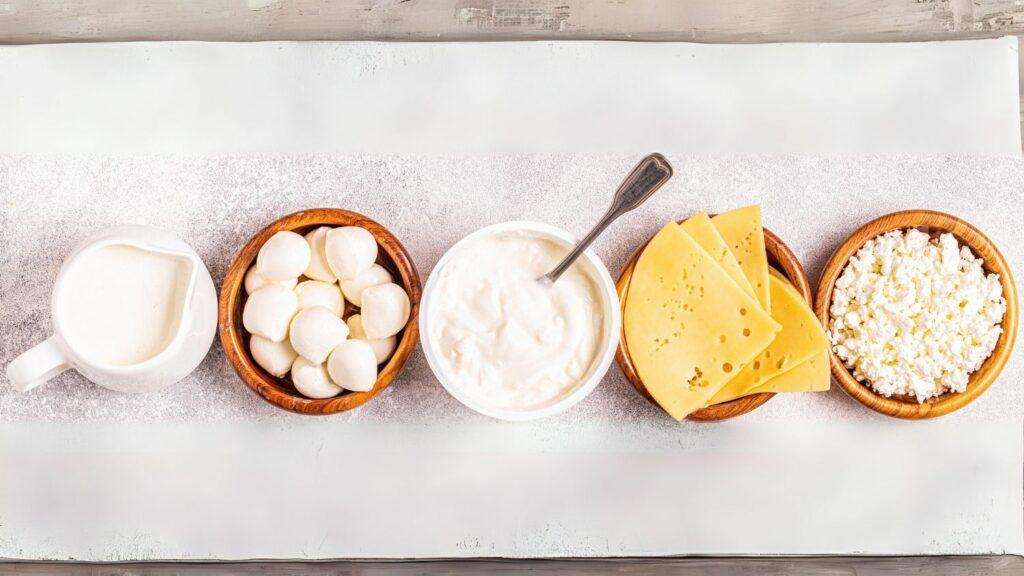
These acids, form some of the building blocks of flavor for fermented dairy products. Furthermore, they provide many of the key aromatics that define and differentiate the taste and odor of one fermented dairy profile from another.
As part of our ongoing sensory education efforts, the Edlong Sensory Team held a panelist training session in partnership with Dr. Lourdes Mato, Dairy Flavor Research Scientist at Edlong, to better identify and communicate different key dairy characteristics. In this session, we conducted sensory evaluations of a variety organic acids. We also discussed the terminology of the flavor characteristics we perceived.
“Whether we are communicating internally or with customers, we are speaking the language of sensory,” says Dr. Lourdes Mato, Dairy Flavor Research Scientist at Edlong. “A customer might say they want more of the cultured and sour taste of yogurt. It’s our job to know that’s probably coming from the lactic acid so we can suggest or build the right flavor solution for them. However, we need to make sure we aren’t talking past each other. It’s easy to be describing the same thing but think we are talking about totally different things or to assume we’re on the same page when we really aren’t.”
She stresses the importance of standardizing exactly how our sensory panel and the members of our R&D department at large identify and define the attributes of key dairy ingredients. She adds that this improves efficiency between sensory, applications, and our flavor lab. It also helps us close the communication gap with customers and better translate their needs into authentic, winning flavor profiles.
Let’s take a look behind the curtain to learn more about the impact of this training and the findings of our panel.
Acid Training
The Why

For a Descriptive Analysis Panel, the focus is on identifying the specific notes and defining terms for each attribute present, not the names of the acids themselves.
But, when you have flavorists and other team members deeply involved in the chemistry of these flavors, it’s easy for the two to become intertwined. In some cases, they may become interchangeable for their purposes.
Using these acids as character references, we found it necessary to align our panel on specific terms and attribute names. This was important to ensure uniformity in communication.
However, this can be more complicated than it appears on its face.
As Dr. Mato explains, pinning this down was the driving purpose behind the training, “We were trying to come to an agreement as a descriptive analysis panel in the way we assign terms and describe attributes to different acids. For example, usually, Iso Valeric can be associated with a sweaty note, but so can other acids like Butyric. Usage level can also impact how these characteristics are perceived. That’s why training like this is so crucial.”
The How
In this training, we evaluated seven organic acids in total (Propionic Acid, Acetic Acid, Valeric Acid, Isovaleric Acid, Isobutyric Acid, Butyric Acid, 2-Methyl Butyric Acid), all of which are naturally occurring in dairy product.
For each organic acid, Dr. Mato explained the molecular formula, the solubility, and the metabolic reactions associated with the acid. Then, our panelists smelled and tasted each acid in a salt solution before discussing the attributes perceived.
The What (Results)
Through our sensory evaluation, we found many notes characteristic of cheeses, like pukey, sweaty, fruity, musty, nutty, fermented, and floral.
Although not entirely surprising, we also noticed that despite the different development pathways for each of these acids, there was still a sizeable overlap in their sensory attributes and flavor characteristics.
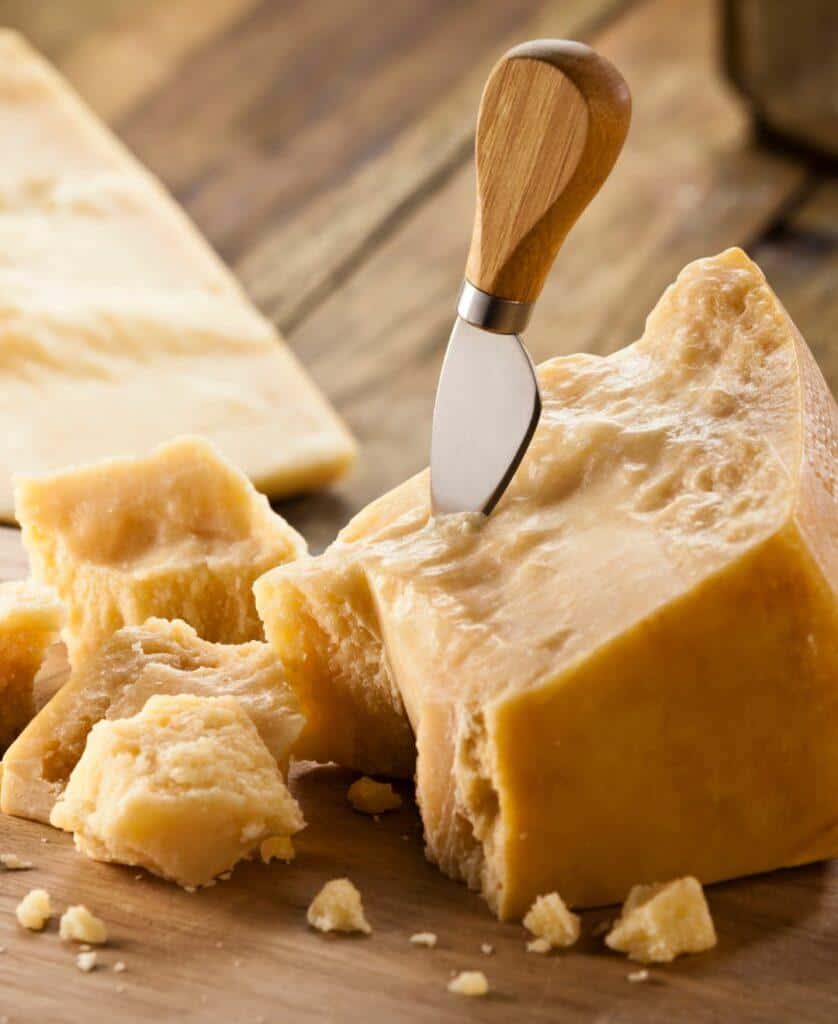
For example, Butyric Acid the reference chemical associated with “baby vomit” or “pukey” often found in cheeses like Parmesan or Romano. Yet, it also has a sweaty note for which Iso Valeric is the reference chemical.
Another example is Propionic Acid, typical of Swiss cheese, which presents a sour, sharp note also representative of Acetic acid.
The Who
It’s this attention to sensory detail and nuance that has helped us continue to create the world’s most authentic dairy flavors for over a century.
That’s why this training, and others like it, are invaluable to the success of those who matter most: you.
Want to learn more about how our knowledgeable team can help solve your toughest taste challenges? Contact our R&D experts today to get started.
Related Links: