
Key Takeaways
- Plant-based cheese lags behind dairy despite consumer interest; only 27% would choose it as a replacement.
- Functionality challenges keep flexitarian consumers from fully embracing plant-based cheese alternatives.
- Cost burdens and inconsistent quality hinder wider adoption of plant-based cheeses.
- Developers need to understand consumer preferences and focus on product strengths.
- Innovation partnerships can drive improvements, helping plant-based cheese move toward parity with dairy.
Plant-based continues to be the talk of the town. One hot topic is how to bring vegan cheese to parity with dairy, matching taste and texture. Vegan cheese is gaining popularity as both consumers and innovators seek alternatives to traditional dairy. Yet despite this momentum, vegan cheese adoption remains far behind other plant-based products. Just go to any industry trade show or supermarket. You’ll be inundated with present and future innovations promising to move the category forward.
Yet, as plant-based milks, desserts, and even fermented alternatives like yogurts continue to resonate with consumers, plant-based cheeses are lagging behind.
But why is it that despite narrowing the gap, plant-based cheeses are failing to reach parity wi th their traditional dairy counterparts?
Especially since a majority of every generation says they are willing to try plant-based alternatives (Boomers 57%, Gen X 67%, Gen Z 68%, and Millennials coming in at 81%).
The answer is right there in a single word: try.
That said, I think it’s time to point out the plant-based elephant in the room.
Simply put, non-vegan consumers are willing to try plant-based cheeses. However, getting them to come back again remains a struggle for many of these products.
Again, we need to ask why?.
Let’s take a look at a few of the top reasons consumers are passing on vegan cheese. There are also three things vegan cheese developers can do to flip that around.
Addressing the Problem: Vegan Cheese and Perception
People love cheese. Full stop.
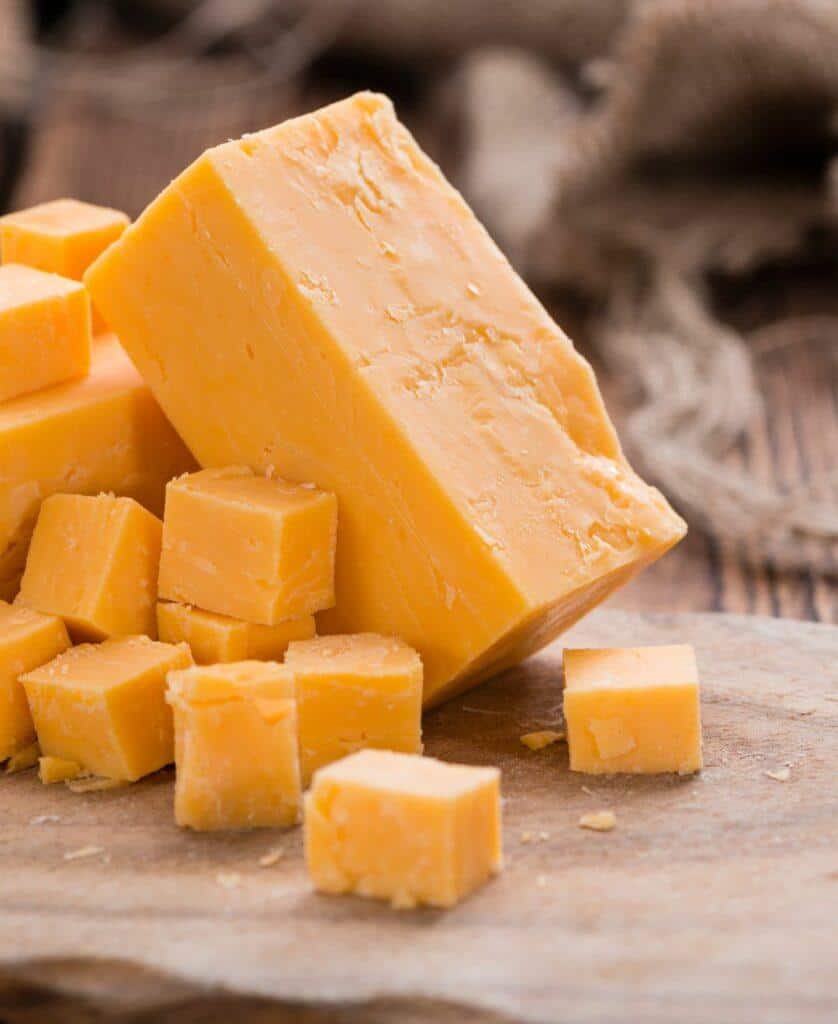
In fact, people love it so much that 12% of Americans would refuse to give it up even if their doctor said they had to for their health. Even more, 1 in 5 people say they would continue to sneak it into their diet.
You might think, “Okay, well around 80% would still eliminate dairy cheese from their diet”.
That is true, but of those surveyed, only 27% would replace it with plant-based alternatives. This means 73% of Americans would rather give up dairy cheese entirely than turn to plant-based.
These numbers are alarming, considering the category’s future growth depends on flexitarian consumers.
Unlike vegans, most flexitarians will continue to regularly purchase dairy products, leading to unfair comparisons and expectations for alternative products.
In other words, while this might not be a direct indictment on plant-based cheeses, you’re still asking flexitarians to give up something they love. For products that might not perform as consistently on functionality, taste, and texture, this is a tough request.
1. Functionality: Vegan Cheese Challenges
Deciding to use plant-based cheeses means someone is actively choosing to buy a different product tailored for each use case.
For example, a plant-based cream cheese might taste great smeared on a bagel. But baking a dairy-free cheesecake with that same product is unfortunately out of the question. You’re going to need a different plant-based cream cheese for that.
The mozzarella shreds used on a salad could taste amazing. However, they won’t brown, melt, or stretch when making a pizza. Again, that’s another trip to the grocery store.
Dairy cheeses, on the other hand, just work.
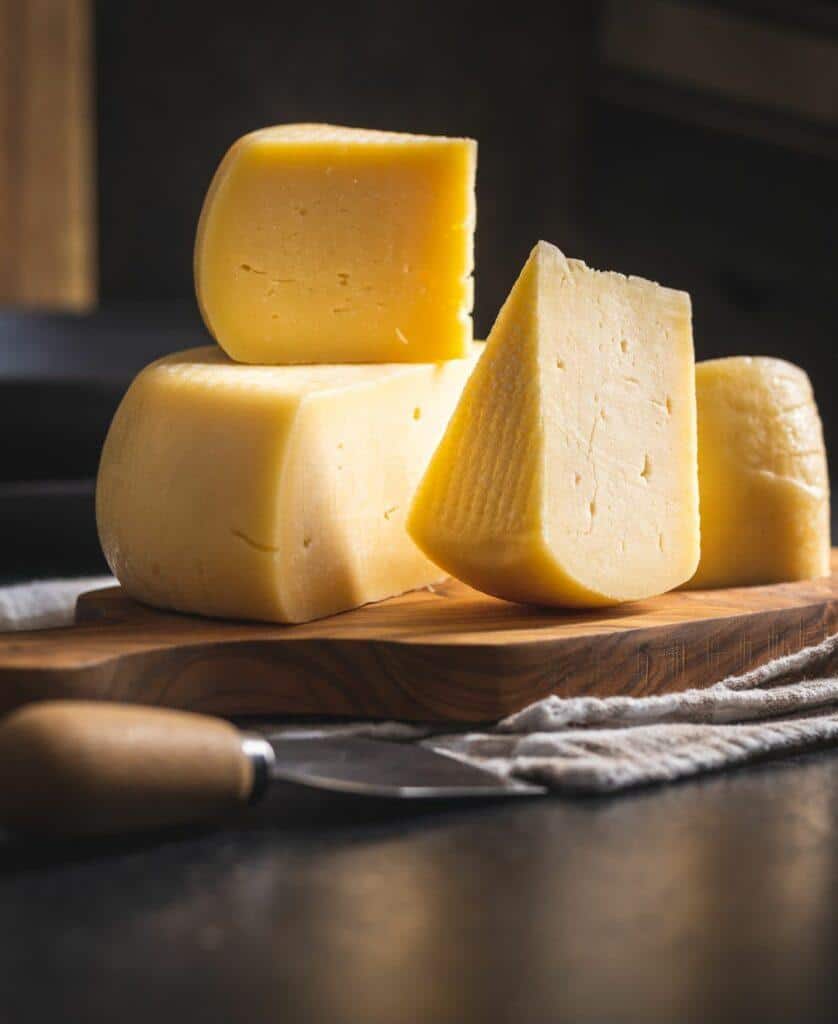
A single block of cheddar can be sliced, shredded, melted, and browned without the consumer having to think twice.
This reality is that buying multiple products can get expensive. In the end, this ends up being one of the main factors keeping flexitarian consumers and food service providers from fully embracing plant-based cheeses.
2. Cost: The Price Barrier to Adoption
While strides are being made in improving vegan cheese functionality across different use cases, the current segmentation of the vegan cheese market is putting consumers at a financial disadvantage.
Combining this with the current economic reality that many consumers face, even those eager to consume more plant-based cheeses might find it tough to regularly add them to their shopping lists.
For this reason, food service providers are also less likely to invest capital in products they can’t use across multiple applications.
3. Taste & Texture: Vegan Cheese and Dairy Parity
According to a report from the Plant Based Foods Association (PBFA) and data insights company 84.51, 73% of consumers wish there was a better plant-based cheese that tastes like dairy cheese and melts well.
People also noted that current plant-based cheeses taste plasticy or unnatural and often have a grainy texture.
I want to reiterate that major advancements are being made in this area. However, when combined with cost and inconsistent functionality, it just isn’t there yet for many consumers.
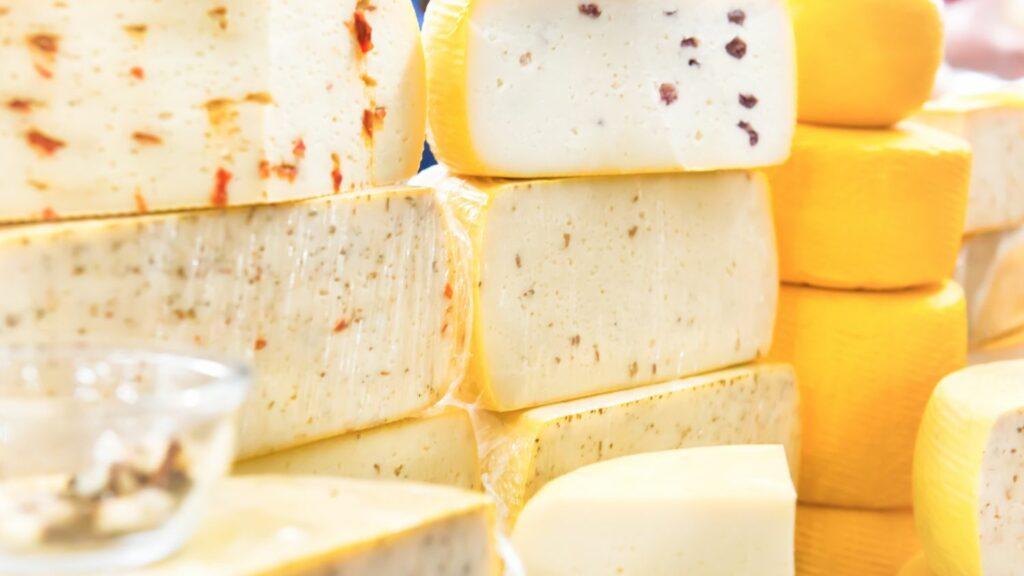
Moreover, expectations for what constitutes a specific profile (Cheddar, Gouda, etc) can vary wildly by region. This adds another hurdle to reaching taste parity.
Changing the Narrative: How Vegan Cheese Can Win Over Consumers
Although allowing more time for the category to mature will undoubtedly alleviate some of these challenges, here are three things developers can start doing now to improve the reception of their alternative cheese products.
Understand Your Market
Plant-based cheeses might still be a ways off from multi-application functionality. This makes understanding how consumers are using your product even more critical.
Flexitarians who aren’t motivated by strong ethical reasons are less likely to be swayed by “negative messaging”. Instead of focusing on what your product isn’t or doesn’t have, focus on what it is and what it does well.
Lean into that and focus on providing a consistent and reliable experience for each use.
Embrace New Experiences

A large part of understanding your market is meeting their taste profile expectations.
Is their idea of a mild cheddar cheese based in Wisconsin? Vermont? Ireland?
Creating authentic profiles is essential, but so is dreaming up new taste and texture experiences.
Experimenting with herbs, spices, and international flavors can provide unique and intriguing experiences. These do not have to conform to an existing standard of identity.
Innovative profiles like these could be perfect for spreads. They could also be great for someone’s next charcuterie board.
Partnering for Vegan Cheese Innovation
Lastly, having the right innovation partners can make all the difference.
Where the category was ten years ago to where it is now is nearly unrecognizable. The growth of the fermentation and enzyme-modified dairy technologies alone are rapidly propelling the space forward.
Still, it’s about more than simply having investments feeding into your innovation pipeline.
Having specialized and agile partners, such as Edlong, can help you quickly respond to consumer sentiment. They can also holistically address even the toughest challenges.
It allows you to continuously iterate and improve. This is the only way to remove the elephant from the room so you can bring more flexitarian consumers in.